


What are the symptoms of gastritis?
Nov 25, 2024
Source: Cainiu Health

Dr. Shen Yonghua
Introduction
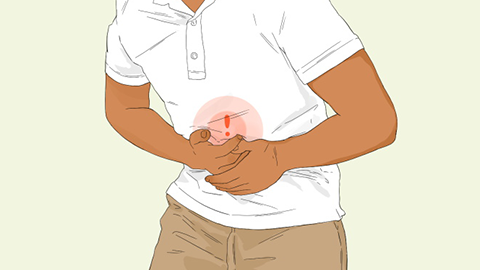
Gastritis is a condition characterized by inflammation of the stomach lining. In general, gastritis may present symptoms such as ulcers, upper abdominal pain or discomfort, indigestion, nausea and vomiting, and weight loss. In daily life, it is recommended to maintain good lifestyle and dietary habits, and to consume less spicy and irritating food, which can aid in the recovery from gastritis. If symptoms of gastritis occur, it is advisable to seek medical attention promptly.
Gastritis is a disease characterized by inflammation of the gastric mucosa. In general, symptoms of gastritis may include ulcers, upper abdominal pain or discomfort, indigestion, nausea and vomiting, and weight loss. If symptoms of gastritis occur, timely medical attention is recommended, along with targeted treatment under a doctor's guidance. A detailed explanation is as follows:
1. Ulcers
Patients with gastritis may suffer from vitamin deficiencies due to inadequate nutrient intake, which can lower immunity and potentially lead to oral diseases such as ulcers.
2. Upper abdominal pain or discomfort
Gastritis can irritate or damage the gastric mucosa, and eating can worsen the inflammatory response, causing pain or a burning sensation in the upper abdomen, especially noticeable after meals.
3. Indigestion
Inflammation of the gastric mucosa can affect normal gastric motility and acid secretion, causing food to remain in the stomach for a prolonged period and not be adequately digested, thereby causing symptoms of indigestion, such as a feeling of fullness, belching, and acid reflux.
4. Nausea and vomiting
Gastric mucosal inflammation can cause gastrointestinal dysfunction, preventing stomach contents from emptying properly, thus causing nausea and vomiting.
5. Weight loss
Long-term gastritis may lead to reduced appetite and impaired utilization of glucose to generate energy. The body may then break down fat and muscle for energy, resulting in weight loss. If the condition is not effectively controlled, weight loss may become a persistent symptom.
In daily life, it is recommended to maintain good living and dietary habits, and to eat less spicy and irritating food, which can aid in the recovery from gastritis.






