


The Benefits and Contraindications of White Radish
Nov 26, 2024
Source: Cainiu Health

Dr. Yang Ziqi
Introduction
White radish is rich in dietary fiber and sinigrin, which can promote gastrointestinal motility, accelerate food digestion and excretion, and thus alleviate constipation and indigestion. It plays a positive role in improving intestinal health and maintaining normal digestive system function. When consuming white radish, the appropriate amount should be determined according to individual constitution and health condition, to avoid excessive intake that may cause discomfort.
Generally speaking, white radish has the effects of promoting digestion, enhancing immunity, lowering blood sugar, beautifying the skin, and assisting in weight loss. However, it has certain contraindications, such as avoiding consumption with ginseng, not being suitable to consume with rehmannia, not being compatible with processed polygonum multiflorum (ho-shou-wu), and should be consumed in moderation by individuals with qi deficiency constitution and not eaten raw by those with spleen and stomach deficiency-cold constitution. The detailed information is as follows:
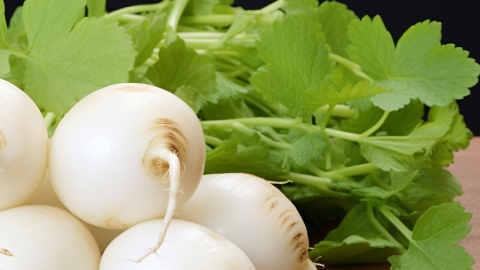
I. Benefits
1. Promotes digestion: White radish is rich in dietary fiber and sinigrin. These components can stimulate gastrointestinal motility, accelerate food digestion and excretion, thereby relieving constipation and indigestion. It plays a positive role in improving intestinal health and maintaining normal digestive system function.
2. Enhances immunity: White radish contains abundant vitamin C, vitamin A, and various minerals. These nutrients can enhance the activity of immune cells, improve the body's resistance, and help prevent colds and other respiratory infections. It strengthens immune system function, reduces the occurrence of diseases, and improves overall health.
3. Lowers blood sugar: Certain components in white radish can regulate blood glucose levels by slowing carbohydrate absorption and reducing insulin resistance, thus helping to stabilize blood sugar. Diabetic patients or individuals with elevated blood sugar can benefit from moderate consumption of white radish to help control blood glucose levels.
4. Beautifies the skin: The vitamin C and other antioxidant substances in white radish promote collagen synthesis, helping maintain skin elasticity and luster. They also help eliminate free radicals and reduce skin aging. This can improve skin quality, reduce wrinkles and pigmentation, making the skin appear younger and healthier.
5. Assists in weight loss: White radish is low in calories and rich in dietary fiber, which increases satiety and reduces overall calorie intake, thus aiding in weight loss. Consuming white radish during a weight-loss regimen can help control body weight and reduce fat accumulation.
II. Contraindications
1. Avoid consuming with ginseng: White radish is cool in nature and has functions of lowering qi, eliminating stagnation, and resolving phlegm. Ginseng, on the other hand, is a warming herb used to greatly replenish vital energy (qi). The qi-lowering effect of white radish conflicts with the qi-tonifying effect of ginseng. Consuming them together may weaken the tonic effect of ginseng.
2. Not suitable to be consumed with rehmannia: Rehmannia is a commonly used traditional Chinese herb, available in three forms: fresh, raw, and prepared. Its primary functions include clearing heat, cooling the blood, nourishing yin, and promoting body fluid production. Rehmannia has a sticky nature, while white radish promotes qi circulation. Consuming them together may interfere with the therapeutic effects of rehmannia, reducing its ability to nourish yin fluids.
3. Should not be consumed with processed polygonum multiflorum (ho-shou-wu): Processed polygonum multiflorum is primarily used for nourishing the liver and kidneys and enriching essence and blood. The food-aiding and qi-moving properties of white radish may interfere with the tonic effects of polygonum multiflorum, as tonic herbs typically require a relatively stable internal environment to exert their effects. The qi-moving action of white radish may disrupt this environment.
4. Individuals with qi deficiency constitution should consume in moderation: White radish has the effect of promoting and lowering qi. People with qi deficiency constitution already have insufficient vital energy and weakened organ functions. Excessive consumption of white radish may further deplete the body's healthy qi, worsening symptoms of qi deficiency, such as shortness of breath, fatigue, and spontaneous sweating.
5. Those with spleen and stomach deficiency-cold constitution should not eat raw white radish: White radish is cool in nature. Individuals with spleen and stomach deficiency-cold have insufficient yang energy in the spleen and stomach and weak digestive function. Eating raw white radish may exacerbate the cold condition of the spleen and stomach, easily causing gastrointestinal discomfort, such as abdominal pain and diarrhea.
When consuming white radish, it is advisable to adjust the intake according to individual constitution and health condition, avoiding excessive consumption that may lead to discomfort.





