


What happens if you eat persimmons and milk together?
Nov 27, 2024
Source: Cainiu Health

Dr. Yang Ziqi
Introduction
Milk contains a large amount of protein, while persimmons contain components such as tannic acid and tannin. When consumed together, these components can react with each other, reducing the nutritional value of both foods. The tannic acid in persimmons can combine with the protein in milk to form substances that are difficult to digest. These substances may affect the normal digestive and absorption functions of the gastrointestinal tract.
Generally, consuming persimmons and milk together may reduce nutritional value, cause indigestion, form gastric stones, increase digestive burden, and hinder nutrient absorption. Details are as follows:
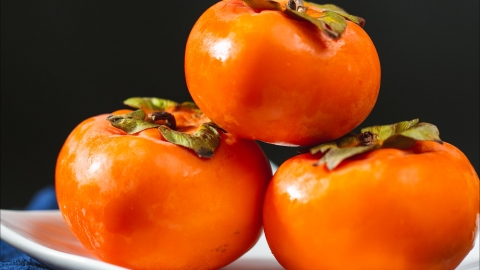
1. Reduced Nutritional Value: Milk contains a large amount of protein, while persimmons contain tannic acid, tannins, and other components. When consumed together, these components may react and reduce the nutritional value of each.
2. Indigestion: The tannic acid in persimmons can combine with the protein in milk to produce substances that are difficult to digest. These substances may affect normal gastrointestinal digestion and absorption functions, leading to symptoms of indigestion such as abdominal pain, bloating, nausea, and vomiting.
3. Formation of Gastric Stones: In some cases, if large amounts of tannic acid protein cannot be excreted promptly from the body, they may react with gastric acid and form stones. Although this situation is relatively rare, long-term and excessive consumption of persimmons and milk together increases this risk.
4. Increased Digestive Burden: Under the action of gastric acid, tannic acid protein may coagulate into clumps, slowing gastrointestinal motility and increasing digestive burden. This can cause discomfort such as bloating and abdominal pain.
5. Hindered Nutrient Absorption: The interaction between persimmons and milk may also prevent the protein in milk and certain nutrients in persimmons from being properly absorbed by the body. For example, proteins may not be broken down into amino acids for bodily use, thereby reducing the overall nutritional value of the food.
To avoid these adverse effects, it is recommended to separate the consumption of persimmons and milk by generally at least 2–3 hours. If you accidentally consume them together and experience mild gastrointestinal discomfort, you may drink some warm water to help alleviate the symptoms. If symptoms persist or worsen, seek medical attention promptly.


