


What kind of tea lowers blood lipid levels quickly?
Nov 28, 2024
Source: Cainiu Health

Dr. Tian Hongbo
Introduction
Under normal circumstances, drinking Pu'er tea, green tea, oolong tea, hawthorn tea, and Cassia seed tea can lower blood lipids relatively quickly. Pu'er tea contains tea polyphenols, which can help reduce blood lipids and lower blood pressure when consumed in appropriate amounts. Particularly raw Pu'er tea has a certain lipid-lowering effect and can also aid in weight loss and regulating intestinal flora. The tea polyphenols and catechins in green tea have significant blood lipid-lowering effects.
Generally speaking, drinking Pu'er tea, green tea, oolong tea, hawthorn tea, and cassia seed tea can relatively quickly lower blood lipid levels. Detailed analysis is as follows:
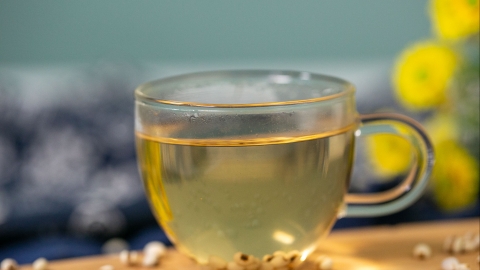
1. Pu'er Tea
Pu'er tea contains tea polyphenols, which, when appropriately consumed, can help reduce blood lipid and blood pressure levels. Particularly raw Pu'er tea has certain lipid-lowering effects and can also aid in weight loss and regulating intestinal flora.
2. Green Tea
Green tea contains tea polyphenols and catechins, which have significant blood lipid-lowering effects. They can reduce plasma cholesterol and triglyceride levels, promote fat metabolism, and inhibit fat accumulation in the body.
3. Oolong Tea
Oolong tea is a semi-fermented tea that contains abundant tea polyphenols. These substances can inhibit the oxidation of low-density lipoprotein in plasma, thereby assisting in lowering blood lipid levels.
4. Hawthorn Tea
Hawthorn is rich in flavonoids and vitamin C, among other components. Hawthorn tea can help regulate blood lipid levels and has an auxiliary therapeutic effect on patients with hyperlipidemia. Hawthorn also has functions such as improving digestion, promoting blood circulation, and resolving blood stasis.
5. Cassia Seed Tea
Cassia seed tea can help regulate blood lipid levels and also assist in improving constipation. Additionally, cassia seed has functions of clearing liver heat and improving vision. Regular consumption can help lower blood pressure and blood lipids.
Although these teas have certain lipid-lowering effects, they cannot completely replace medications. Patients with high blood lipids should follow medical advice and take lipid-lowering drugs regularly to achieve better lipid-lowering effects. Additionally, tea consumption should be moderate, as excessive intake may cause digestive discomfort symptoms such as diarrhea, vomiting, and nausea.



