


Can I eat eggplant during pregnancy?
Nov 29, 2024
Source: Cainiu Health

Dr. Zhang Lu
Introduction
In general, pregnancy refers to gestation. Whether eggplant can be consumed during pregnancy needs to be determined based on individual circumstances. If the pregnant woman is in good health, eating eggplant is usually acceptable. However, if she has other medical conditions or allergies, it is not recommended. It is advised to maintain a balanced diet during pregnancy, consume more fresh fruits and vegetables, develop healthy lifestyle habits, and stay in a positive mood.
Generally speaking, pregnancy refers to the state of being pregnant. Whether eggplant can be consumed during pregnancy depends on individual circumstances. If the pregnant woman is in good health, eating eggplant is usually acceptable; however, if she has other medical conditions or allergies, it is not recommended. Detailed explanations are as follows:
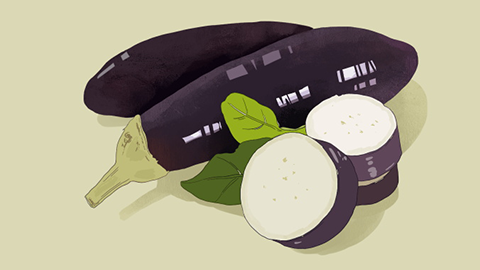
Eggplant is a common vegetable that contains abundant nutrients, including proteins, fats, carbohydrates, vitamins, and various minerals such as calcium, phosphorus, and iron, which are beneficial to human health. If a pregnant woman is in good health during pregnancy, moderate consumption of eggplant can help the body absorb calcium, reduce capillary fragility and permeability, and thus benefit fetal growth and development.
If a pregnant woman suffers from excessive stomach acid, gastric ulcers, kidney stones, or is allergic to eggplant, it is not advisable to consume eggplant. This is because eggplant contains high levels of oxalic acid, which may worsen these conditions when combined with gastric acid. Additionally, allergic reactions such as difficulty breathing and skin itching might occur.
It is recommended that pregnant women maintain a balanced diet, consume more fresh fruits and vegetables, develop healthy lifestyle habits, and stay in a good mood during pregnancy.


