What is hemifacial spasm, and can it be treated?
Dec 12, 2024
Source: Cainiu Health

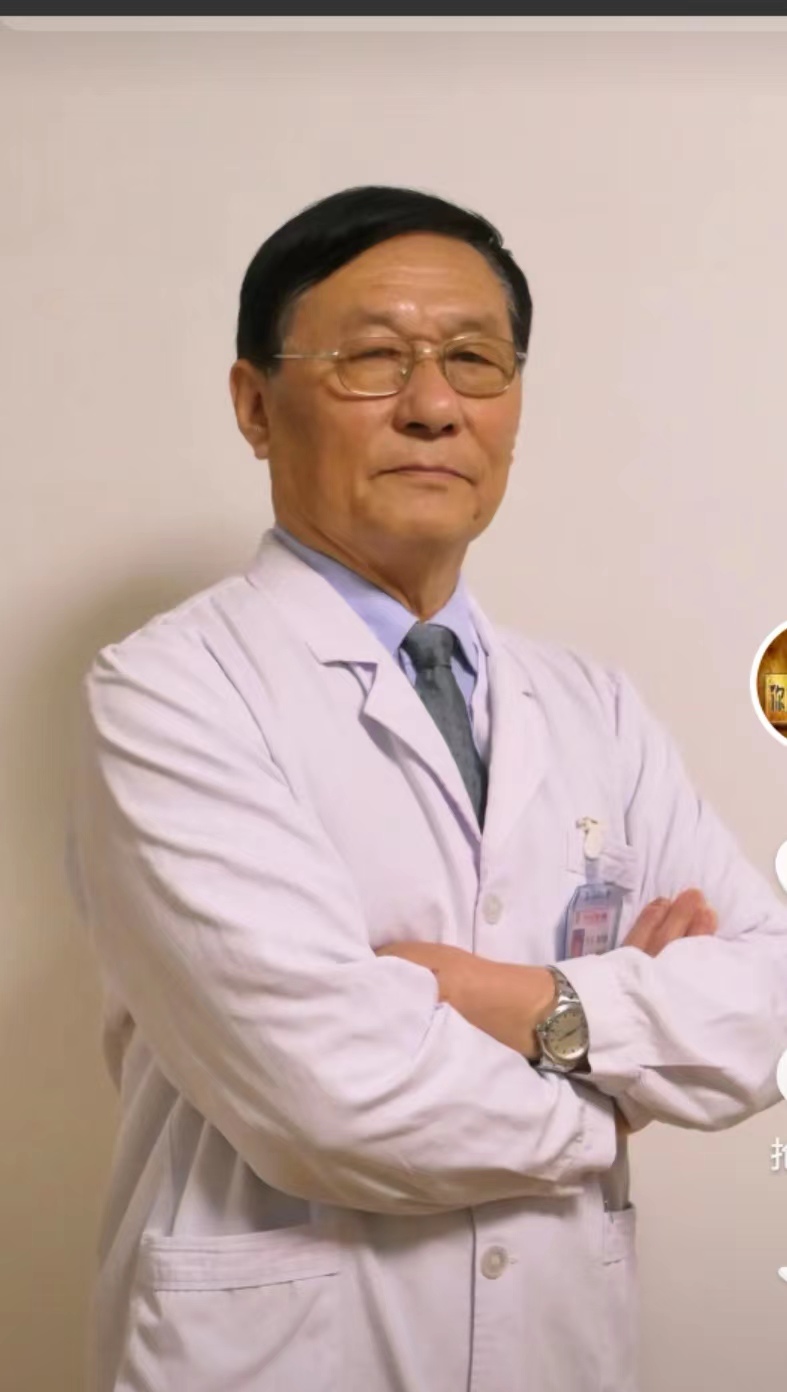
Dr. Lv Zhiqin
Introduction
Hemifacial spasm is a condition characterized by involuntary twitching of the facial muscles, usually caused by compression or irritation of cranial nerves. When the facial nerve is compressed by blood vessels or other structures, it may lead to abnormal nerve conduction, resulting in muscle contractions. In most cases, hemifacial spasm can be treated through warm compresses, facial massage, medication, botulinum toxin injections, or surgical intervention.
Generally speaking, facial myokymia is a neuromuscular disorder that can usually be treated. If discomfort occurs, timely medical attention is recommended. Detailed analysis is as follows:
1. What is Facial Myokymia?
Facial myokymia is a condition characterized by involuntary twitching of the facial muscles, typically caused by compression or irritation of cranial nerves. When the facial nerve is pressured by blood vessels or other structures, it may lead to abnormal nerve conduction, resulting in muscle contractions.
The main symptom of this condition is involuntary twitching or spasms of the facial muscles on one side, often starting from the eyelid and gradually spreading to the area around the mouth. In severe cases, it may affect speech and facial expressions. Patients may experience facial pain or discomfort, with symptoms worsening during emotional stress or fatigue.
2. Can Facial Myokymia Be Treated?
In most cases, facial myokymia can be effectively managed. Treatment options include warm compresses, facial massage, medication, botulinum toxin injections, and surgical intervention.
1. Warm Compresses
A warm, damp towel or hot water bag can be applied to the face for 15–20 minutes per session, multiple times daily. This helps promote blood circulation and relieve facial muscle tension.
2. Facial Massage
Gentle massage of the facial muscles may help relax them and reduce twitching. Excessive pressure should be avoided to prevent worsening of symptoms.
3. Medication
Patients with facial myokymia may take medications such as baclofen tablets, mecobalamin tablets, or vitamin B1 tablets as directed by a physician. These medications can help reduce abnormal contractions of the facial muscles and alleviate symptoms.
4. Botulinum Toxin Injections
Botulinum toxin is a neuromuscular blocking agent that achieves muscle relaxation by inhibiting the release of acetylcholine. Injecting botulinum toxin can block the transmission of nerve signals, thereby relieving muscle spasms. However, effects may gradually diminish, and temporary local muscle weakness may occur.
5. Surgical Treatment
For facial myokymia caused by a clear underlying condition, surgical options such as microvascular decompression can be considered. During the procedure, the compressed facial nerve and the compressing vessel are separated to relieve pressure on the nerve and restore its function.
During treatment, it is advisable to maintain healthy lifestyle habits and avoid mental stress and excessive fatigue, which can help improve treatment outcomes.