


What causes red, swollen, hard, and painful pimples on the chin?
Dec 23, 2024
Source: Cainiu Health

Dr. Liu Wenmin
Introduction
Pimples usually refer to acne. Acne on the chin that is red, swollen, hard, and painful may be caused by improper skin cleansing, hormonal changes, excessive stress, endocrine disorders, or folliculitis, and can be improved according to the specific situation. Incomplete cleansing of the chin area may lead to residual sebum, dirt, and cosmetics, which can block the follicular openings, trigger acne, and possibly cause an inflammatory response.
Acne usually refers to acne vulgaris. Pimples on the chin that are red, swollen, hard, and painful may be caused by improper skin cleansing, hormonal changes, excessive stress, endocrine disorders, or folliculitis. Improvement can be made according to different situations. It is recommended to visit a hospital promptly and receive treatment under the guidance of a physician.
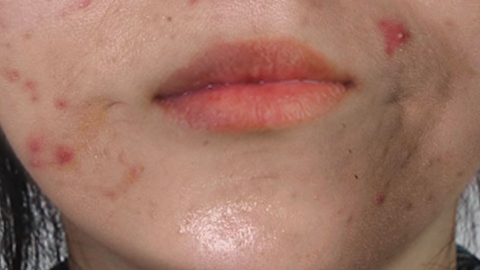
1. Improper skin cleansing: Inadequate cleansing of the chin area may lead to residual oils, dirt, and cosmetics, which can block hair follicles, trigger acne, and cause an inflammatory response resulting in redness, swelling, hardness, and pain. Use a gentle facial cleanser to maintain cleanliness of the chin skin, and avoid using excessively oily skincare products and cosmetics.
2. Hormonal changes: Hormonal fluctuations during physiological stages such as puberty, menstrual cycles, pregnancy, and menopause may lead to acne on the chin, accompanied by symptoms like mood swings and excessive sebum secretion. Maintain good lifestyle habits, avoid squeezing acne, and use gentle cleansers to keep the skin clean.
3. Excessive stress: Long-term mental stress can cause the body to release more cortisol, a stress hormone that enhances sebaceous gland activity and increases oil production, thereby worsening acne formation. It is recommended to practice relaxation techniques such as deep breathing, yoga, or meditation to reduce stress levels.
4. Endocrine disorders: Excessive secretion of androgens in the body may lead to overactive sebaceous glands, which can trigger acne. At the same time, irregular sleeping patterns and dietary habits can also affect the endocrine system, leading to pimples on the chin. It is recommended to maintain regular sleeping and eating habits, and avoid staying up late or overexertion.
5. Folliculitis: Folliculitis is an inflammation of the hair follicles caused by bacterial infections such as Staphylococcus aureus. It commonly presents as red papules that gradually develop into pustular papules, isolated and scattered, with pain upon pressure. It may be accompanied by symptoms such as itching and a burning sensation. Patients can use medications such as fusidic acid cream, mupirocin ointment, or amoxicillin capsules under the guidance of a physician to relieve discomfort.
It is recommended to adjust your diet and avoid trigger foods such as high-fiber foods, coffee, and alcohol. Before undergoing any treatment, consult a professional physician or pharmacist to ensure safety and effectiveness.




