


What causes dizziness and nausea after a massage?
Dec 31, 2024
Source: Cainiu Health

Dr. Zhang Xiuhong
Introduction
Under normal circumstances, dizziness and nausea after massage may be caused by physical intolerance, improper massage pressure, being in a fasting or full stomach state, anemia, cervical spondylosis, or hypertension. To prevent this symptom, it is recommended to understand your physical condition before receiving a massage. If you have conditions such as anemia or hypertension, you should inform the massage therapist in advance and follow medical advice for treatment.
Generally, dizziness and nausea after massage may be caused by bodily intolerance and improper massage pressure, fasting or full stomach conditions, anemia, cervical spondylosis, or hypertension. If discomfort occurs, prompt medical attention is recommended. Detailed explanations are as follows:
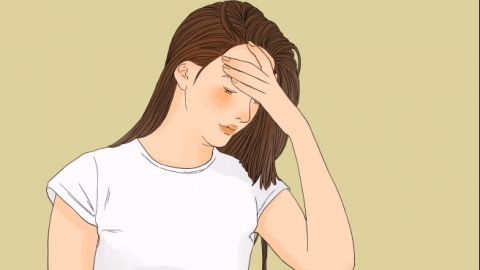
1. Bodily Intolerance and Improper Massage Pressure
During massage, if the technique is too intense or one is receiving a massage for the first time, the body may react with discomfort due to intolerance to strong stimulation, leading to dizziness and nausea. Additionally, if the massage therapist applies pressure to incorrect areas, it may stimulate nerves or blood vessels, causing similar symptoms. Choose reputable establishments and certified massage therapists, and inform the therapist of your physical condition and tolerance level before the massage to avoid excessive pressure.
2. Fasting or Full Stomach Conditions
When fasting, blood sugar levels are low, and massage may intensify discomfort. When the stomach is full, blood is concentrated in the gastrointestinal tract, and massage may interfere with circulation, causing dizziness and nausea. Avoid massage while fasting or immediately after eating. It is best to receive a massage 1–2 hours after a meal.
3. Anemia
Anemia may result from reduced peripheral red blood cell volume or malnutrition. During massage, increased blood flow to the head may lead to insufficient red blood cell supply to tissues and organs, causing dizziness. Symptoms may include pallor, fatigue, and palpitations. Treatment under a physician's guidance may include medications such as ferrous gluconate syrup, ferrous fumarate granules, or ferrous succinate tablets.
4. Cervical Spondylosis
Cervical spondylosis may be caused by poor posture or nerve compression. Improper massage techniques may worsen vertebral artery compression, impairing cerebral blood supply and causing dizziness and nausea. Additional symptoms may include neck pain, numbness in the upper limbs, and blurred vision. Follow medical advice for treatment with medications such as mecobalamin tablets, dizziness-relief tablets, or nimodipine oral solution.
5. Hypertension
Hypertension may be caused by functional or structural lesions in small cerebral arteries, vessel narrowing or occlusion, resulting in ischemia and hypoxia in microcirculation. During massage, increased circulation may elevate blood pressure, triggering dizziness. Associated symptoms may include headache, palpitations, and chest tightness. Under medical guidance, treatment options may include amlodipine besylate tablets, nifedipine sustained-release tablets, or felodipine sustained-release tablets.
To prevent these symptoms, it is advisable to understand your physical condition before receiving a massage. If you have conditions such as anemia or hypertension, inform the massage therapist in advance and follow medical recommendations for treatment.








