


How to reduce fever most quickly and effectively
Dec 31, 2024
Source: Cainiu Health

Dr. Yang Ziqi
Introduction
In general, there is no definitive method that can be considered the "fastest and most effective way to reduce fever." Fever may result from various factors such as excessively high environmental temperature, increased body temperature after exercise, drug reactions, respiratory tract infections, acute gastroenteritis, and more. Depending on the specific situation, general treatments or medication may be used to manage or alleviate symptoms. It is recommended to seek timely medical attention, identify the underlying cause, and undergo symptomatic treatment under a doctor's guidance.
Generally speaking, there is no such thing as "the fastest and most effective way to reduce fever." Fever may be caused by factors such as high environmental temperature, elevated body temperature after exercise, drug reactions, respiratory tract infections, acute gastroenteritis, etc. General treatments or medications may be used to treat or alleviate symptoms depending on the situation. It is recommended to seek timely medical attention, identify the cause of fever, and receive symptomatic treatment under a doctor's guidance. Detailed analysis is as follows:
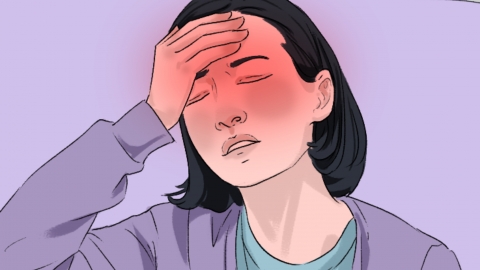
1. High environmental temperature: Staying in a high-temperature environment for an extended period can cause the body to raise its temperature. To maintain normal body temperature, the body dissipates heat through sweating and other means. However, if heat dissipation is inadequate, body temperature will rise. It is recommended to promptly move to a cool, well-ventilated environment and loosen clothing to aid heat dissipation.
2. Elevated body temperature after exercise: Intense physical activity generates a large amount of heat, causing an increase in body temperature. This is a normal physiological phenomenon and generally does not require specific treatment. Body temperature will gradually return to normal after stopping exercise.
3. Drug reaction: Certain medications, such as penicillin antibiotics, may cause drug-induced fever, leading to elevated body temperature, possibly accompanied by symptoms such as rash and itching. Patients are advised to discontinue the relevant medication under a doctor's instructions or switch to another medication.
4. Respiratory tract infection: Bacterial or viral infections of the respiratory tract can cause inflammatory responses, leading to elevated body temperature, accompanied by coughing, sputum production, and breathing difficulties. Patients may use medications such as Cefoxitin Sodium for Injection, Amoxicillin Tablets, and Ampicillin Capsules under a doctor's guidance.
5. Acute gastroenteritis: Bacterial or viral infections of the gastrointestinal tract can cause inflammatory responses, leading to elevated body temperature, accompanied by nausea, vomiting, diarrhea, and abdominal pain. Patients may use medications such as Ciprofloxacin Hydrochloride Capsules, Bismuth Potassium Citrate Tablets, and Enteritis Calming Granules under a doctor's guidance.
In daily life, ensure adequate sleep, avoid excessive fatigue, and consume more fresh vegetables and fruits such as cabbage, apples, and tomatoes to improve immunity.







