


Can milk and durian be eaten together?
Jan 06, 2025
Source: Cainiu Health

Dr. Yang Ziqi
Introduction
Milk is rich in calcium, high-quality protein, phosphorus, vitamins, and other nutrients, which contribute to bone health and physical development. Durian contains abundant vitamins, dietary fiber, potassium, magnesium, and other nutrients. Generally, these two foods can be consumed together. When appropriately combined, they can make nutrient intake more diverse and help supplement various nutrients required by the body.
Generally, milk and durian can be consumed together, but it is advisable to eat them in moderation.
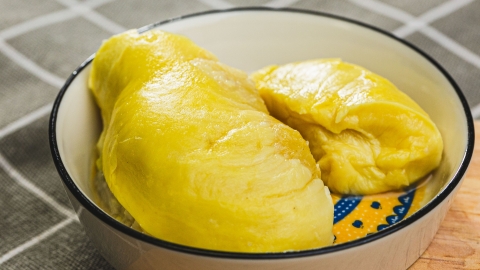
Milk is rich in nutrients such as calcium, high-quality protein, phosphorus, and vitamins, which are beneficial for bone health and physical development. Durian contains abundant vitamins, dietary fiber, potassium, magnesium, and other nutrients. These two foods can generally be eaten together. When appropriately combined, they contribute to a more diverse nutrient intake and help supply various nutrients needed by the body.
However, it should be noted that durian is a heaty fruit, and excessive consumption may cause heatiness (internal heat). Additionally, milk has a high protein content and may be difficult to digest. Therefore, excessive intake should be avoided, and consumption should be adjusted according to individual conditions. Consuming large amounts of both milk and durian may burden the gastrointestinal system, potentially causing indigestion, bloating, or other discomforts. In addition to milk and durian, fruits such as apples, bananas, and grapes can be consumed to help maintain a balanced nutrient intake.
A light diet is recommended in daily life, avoiding spicy and irritating foods. Maintaining a balanced dietary structure and diversifying food intake are beneficial for overall health.







