


What foods are incompatible with lamb?
Jan 09, 2025
Source: Cainiu Health

Dr. Yang Ziqi
Introduction
Under normal circumstances, lamb meat is incompatible with certain foods such as pumpkin, tea, vinegar, watermelon, and seafood. Both pumpkin and lamb are warming foods, and consuming them together may lead to excessive internal heat, causing symptoms of heatiness such as dry mouth, thirst, and constipation. In addition, components in pumpkin may interact with nutrients in lamb meat, potentially reducing the nutritional value of the food and affecting digestion and absorption.
Generally, lamb is incompatible with foods such as pumpkin, tea, vinegar, watermelon, and seafood. Detailed explanations are as follows:
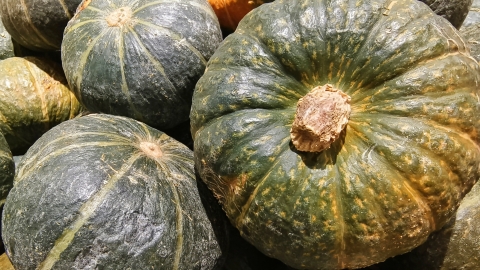
1. Pumpkin
Both pumpkin and lamb are warming foods. Consuming them together may lead to excessive internal heat, causing symptoms such as dry mouth, thirst, and constipation. Additionally, components in pumpkin may interact with nutrients in lamb, reducing the nutritional value of both foods and affecting digestion and absorption.
2. Tea
Tea contains tannic acid, which can combine with proteins in lamb to form precipitates that are difficult to digest, thus affecting protein absorption. It is recommended to wait at least 1–2 hours after eating lamb before drinking tea to avoid adverse effects on health.
3. Vinegar
The acidic components in vinegar may react with proteins in lamb under high temperatures, potentially forming substances that are difficult for the body to absorb, thereby affecting the nutritional value and digestion of lamb. Long-term consumption in this manner may also harm the gastric mucosa.
4. Watermelon
Lamb is sweet and warming in nature, whereas watermelon is cold. Their opposing properties may increase the burden on the gastrointestinal tract when consumed together, leading to symptoms of indigestion such as diarrhea and abdominal pain.
5. Seafood
Consuming lamb together with seafood may easily cause indigestion, resulting in symptoms such as bloating and abdominal pain. Certain components in seafood may react with proteins in lamb during digestion, increasing the burden on the gastrointestinal system.
In daily diets, these foods can be combined in moderation according to individual constitution and health conditions, while paying attention to bodily reactions.


