


What foods are incompatible with pears?
Jan 13, 2025
Source: Cainiu Health

Dr. Yang Ziqi
Introduction
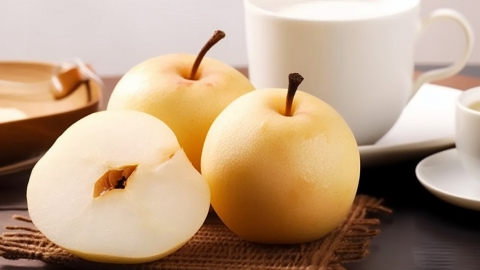
Under normal circumstances, pears are incompatible with foods such as carrots, milk, pork, white radish, and lamb. The fruit acids in pears may combine with the proteins in milk to form coagulated clumps that are difficult to digest, affecting nutrient absorption and potentially causing gastrointestinal discomfort. Therefore, it is recommended to wait 1–2 hours after eating pears before drinking milk. In daily diets, one can appropriately adjust the order and timing of food consumption.
Generally speaking, pears are incompatible with carrots, milk, pork, white radish, lamb, etc. The specific analysis is as follows:
1. Carrot
Pears are rich in vitamin C, while carrots contain an enzyme that can destroy vitamin C. Consuming them together can significantly degrade the vitamin C in pears, reducing their nutritional value.
2. Milk
The fruit acids in pears can combine with the proteins in milk to form clots that are difficult to digest, affecting nutrient absorption and potentially causing gastrointestinal discomfort. Therefore, it is recommended to wait 1–2 hours after eating pears before drinking milk.
3. Pork
Consuming pears and pork together may lead to diarrhea. Pork is rich in protein, while pears contain high amounts of pectin and fiber. When combined, these components are difficult to digest and may irritate the gastrointestinal tract.
4. White Radish
Eating pears together with white radish may have adverse effects on thyroid health. Certain components in white radish may interact with substances in pears, affecting the normal function of the thyroid gland.
5. Lamb
Lamb is a warming food that may easily cause internal heat after consumption, while the cooling nature of pears may interfere with the digestion of lamb, leading to indigestion and symptoms such as abdominal distension and pain.
Although the above foods are considered incompatible with pears, in daily diets, one can appropriately adjust the order and timing of consumption to avoid simultaneous intake, thereby reducing the occurrence of discomfort symptoms.


