


Can milk and zinc be consumed together?
Feb 18, 2025
Source: Cainiu Health

Dr. Yu Yongchao
Introduction
This is mainly because milk contains a relatively high concentration of calcium ions. If taken together with zinc, it may affect the absorption of zinc. The calcium ions in milk may compete with zinc ions in the gastrointestinal tract, thereby interfering with the normal absorption process of zinc. Zinc is one of the essential trace elements in the human body and plays various important physiological roles, such as promoting growth and development.
Generally speaking, milk and zinc should not be consumed together. The detailed analysis is as follows:
This is primarily because milk contains a relatively high concentration of calcium ions. When consumed alongside zinc, calcium ions may interfere with zinc absorption. In the gastrointestinal tract, calcium ions may compete with zinc ions, thereby disrupting the normal absorption process of zinc.
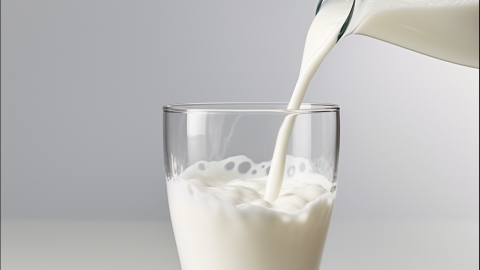
Zinc is one of the essential trace elements in the human body, playing multiple important physiological roles such as promoting growth and development, maintaining normal taste sensation, and enhancing immune function. Therefore, ensuring effective zinc absorption is important for maintaining health. Although milk is a nutrient-rich food containing high-quality proteins, fats, carbohydrates, and various vitamins and minerals, its high calcium ion content may interfere with zinc absorption when consumed together with zinc.
To effectively supplement zinc, it is recommended to avoid consuming milk simultaneously with zinc supplements or zinc-rich foods. It is preferable to drink milk some time before or after zinc supplementation to minimize the interference of calcium ions with zinc absorption. Additionally, zinc supplementation should be done in appropriate amounts to avoid adverse effects such as zinc toxicity caused by excessive intake.






