


Is eczema contagious?
Mar 12, 2025
Source: Cainiu Health

Dr. Liu Wenmin
Introduction
In general, eczema is not contagious. In daily life, it is important to keep the skin clean and moisturized. Use mild cleansers to wash the skin daily, avoiding excessive cleansing that may damage the skin barrier. Apply moisturizer promptly after washing, especially in dry seasons or environments, to maintain skin hydration and enhance the skin's resistance.
Generally speaking, eczema is not contagious. The detailed explanation is as follows:
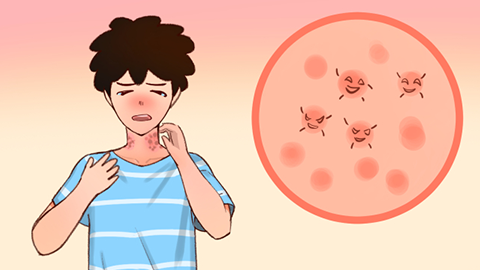
The causes of eczema are relatively complex, typically resulting from the interaction of multiple internal and external factors, such as internal factors including genetic factors, abnormal immune function, and skin barrier dysfunction, as well as external factors like allergens, irritants, and microorganisms in the environment. These factors lead to inflammatory reactions in the skin, manifesting as symptoms including redness, papules, blisters, exudation, and itching. However, there is no pathogen present that can be transmitted to others; therefore, it cannot spread to other people through contact, air, or other routes. Although eczema itself is not contagious, it may exhibit a certain genetic predisposition within families. In other words, if parents or close relatives have eczema, the risk of their children developing eczema may increase.
In daily life, it is important to maintain clean and moisturized skin. Use mild cleansing products to wash the skin daily, avoiding excessive cleaning that may damage the skin barrier. After washing, apply moisturizing cream promptly, especially in dry seasons or environments, to maintain the skin's moisture content and enhance its resistance.


