


Can patients with gout drink sticky rice wine?
Mar 25, 2025
Source: Cainiu Health

Dr. Yang Tiesheng
Introduction
Glutinous rice wine contains alcohol and purines produced during the fermentation process. Alcohol metabolism inhibits the kidneys' excretion of uric acid and simultaneously promotes the breakdown of purines into uric acid. These dual effects can easily lead to a sudden increase in blood uric acid levels, triggering redness, swelling, heat, and pain in the joints. Even small amounts of alcohol consumption may disrupt the balance of uric acid and increase the risk of acute gout attacks. Patients with gout are advised to strictly abstain from alcohol and control their intake of high-purine foods.
Generally, patients with gout are not advised to consume rice wine (fermented glutinous rice wine), as alcohol can elevate uric acid levels and trigger gout attacks regardless of whether the condition is stable. If in doubt, it is recommended to consult a healthcare professional in advance. Detailed analysis is as follows:
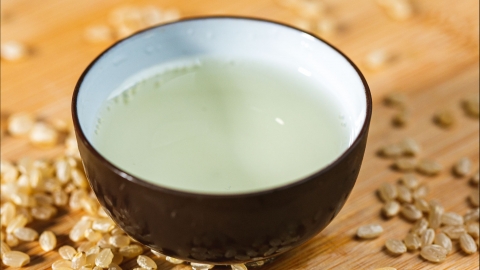
Rice wine contains alcohol and purines produced during the fermentation process. Alcohol metabolism inhibits the kidneys' ability to excrete uric acid and simultaneously promotes the breakdown of purines into uric acid. This dual effect can easily lead to a sudden increase in blood uric acid levels, triggering redness, swelling, heat, and pain in the joints. Even small amounts of alcohol consumption may disrupt the balance of uric acid and increase the risk of acute gout attacks.
To date, no safe consumption threshold has been established. Whether gout is in the acute or remission phase, drinking rice wine may worsen the condition. Some patients mistakenly believe that low-alcohol beverages have minimal impact, but even low concentrations of alcohol negatively affect uric acid metabolism.
Patients with gout are advised to strictly abstain from alcohol and control their intake of high-purine foods. If joint pain or fluctuations in uric acid levels occur, immediate medical attention is needed to adjust medication. In daily life, uric acid levels can be better managed by increasing water intake and consuming low-fat dairy products or other non-alcoholic beverages as substitutes.






