


What causes a sore throat from lychee?
Mar 28, 2025
Source: Cainiu Health

Dr. Lu Cheng
Introduction
Under normal circumstances, the causes of sore throat induced by lychee may include excessive internal heat ("fire"), improper handling of lychee, allergic reactions, sugar irritation, or bacterial infection. Lychee has a warm and hot nature, and excessive consumption may easily cause an increase in body heat ("fire"), thereby leading to throat pain, possibly accompanied by symptoms such as dry mouth, thirst, constipation, and dark urine. It is recommended to reduce lychee intake, drink more water, and appropriately consume some cooling foods to alleviate internal heat.
Generally, the causes of sore throat induced by lychee may include excessive internal heat ("fire"), improper handling of lychee, allergic reactions, sugar irritation, and bacterial infection. Details are as follows:
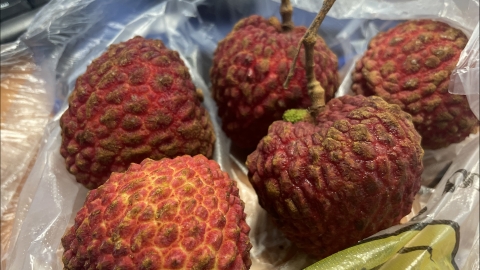
1. Excessive internal heat ("fire"): Lychee has a warm nature, and excessive consumption may easily lead to an increase in internal body heat, thereby causing sore throat, possibly accompanied by symptoms such as dry mouth, thirst, constipation, and dark urine. Intake of lychee should be reduced, more water should be consumed, and cooling foods such as mung bean soup and chrysanthemum tea may be appropriately consumed to reduce internal heat.
2. Improper handling of lychee: When purchasing lychee, if the fruit has been improperly handled, for example, soaked in detergent but not thoroughly rinsed, residual toxic components may damage the throat mucosa, causing pain, and may also be accompanied by a foreign body sensation in the throat. Consumption of the batch of lychee should be stopped immediately, and medical evaluation of the throat condition should be performed, with symptomatic treatment as necessary.
3. Allergic reaction: Some individuals are allergic to certain components in lychee. Allergic reactions may affect the throat, causing sore throat, possibly accompanied by skin itching, swelling, difficulty breathing, and other symptoms. Consumption of lychee should be stopped immediately, and antiallergic medications such as cetirizine hydrochloride tablets, loratadine tablets, and promethazine hydrochloride tablets may be used under medical guidance.
4. Sugar irritation: Lychee contains high levels of sugar, and residual sugar after consumption may irritate the throat mucosa, causing pain, typically presenting as dryness and soreness in the throat, sometimes accompanied by mild coughing. Intake of lychee should be reduced, and drinking more water can help rinse away residual sugar in the throat. Hypoglycemic medications such as metformin hydrochloride enteric-coated tablets, glipizide dispersible tablets, and metformin glibenclamide tablets may be used under medical guidance.
5. Bacterial infection: Bacteria may be present on the surface of lychee, and if consumed without proper cleaning, these bacteria may enter the throat and cause infection, possibly accompanied by fever. Anti-infective treatments such as amoxicillin capsules, cefixime tablets, and levofloxacin tablets may be used under medical supervision.
When consuming lychee, attention should be paid to moderation, cleanliness, and hygiene to avoid unnecessary health risks.
References:
[1] Zheng Jing, Liu Jinfeng, Zhang Hong. Research Progress on Lychee Composition Analysis and Processing Utilization [J]. Science and Technology of Food Industry, 2019.
[2] Yue Xin, Wang Guangya, Pan Xingchang. Chinese Food Composition Table (2nd Edition, 6th Volume) [M]. Peking University Medical Press, 2019.






