


What causes brownish discharge?
Jun 14, 2021
Source: Cainiu Health

Dr. Lv Aiming
Introduction
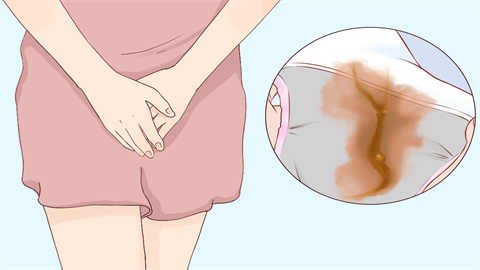
Brownish vaginal discharge may be associated with ovulation bleeding, endocrine disorders, endometrial polyps, or other causes. Ovulation bleeding refers to regular vaginal bleeding occurring mid-cycle—during ovulation—when a transient decline in estrogen levels deprives the endometrium of hormonal support, resulting in partial endometrial shedding. This type of bleeding is typically minimal; in some cases, it manifests only as coffee-colored discharge.
Brownish vaginal discharge may be associated with ovulation bleeding, endocrine disorders, endometrial polyps, or other causes. Patients are advised to seek medical attention promptly and undergo appropriate diagnostic tests followed by active treatment.
1. Ovulation Bleeding
Ovulation bleeding refers to regular, light vaginal bleeding occurring mid-cycle—during the ovulatory phase—caused by a transient decline in estrogen levels. This hormonal dip deprives the endometrium of hormonal support, leading to partial endometrial shedding. Typically, the bleeding is minimal; sometimes it appears only as coffee-colored discharge and usually resolves spontaneously within 2–3 days, though it may last up to 7 days.
2. Endocrine Disorders
Brownish discharge during the ovulatory phase may indicate ovulation bleeding. However, it may also reflect underlying endocrine imbalance contributing to periovulatory spotting. Increasing fluid intake and ensuring adequate rest are recommended. If the bleeding is minimal and does not interfere with normal conception, the herbal preparation “Gongxuening Capsules” may be considered to alleviate symptoms, if clinically indicated.
3. Endometrial Polyps
When endometrial tissue undergoes polypoid changes, endometrial thickening occurs, often accompanied by irregular vaginal bleeding. Prolonged retention of blood within the uterine cavity leads to its oxidation, resulting in brownish discharge. Hysteroscopic polypectomy is recommended for definitive management. Subsequently, oral progesterone therapy may be considered to promote regular endometrial shedding.
In addition to the above causes, conditions such as endometrial carcinoma and pelvic inflammatory disease may also produce similar symptoms.



