


Can patients with eczema eat crawfish?
May 23, 2025
Source: Cainiu Health

Dr. Liu Wenmin
Introduction
In general, patients with eczema are not advised to consume crawfish. Crawfish are high-protein foods and are also common allergens. Patients with eczema often have sensitive skin and an unstable immune system. The foreign proteins in crawfish may be recognized by the immune system as harmful substances, triggering an immune response, activating inflammatory mediators, and leading to a worsening of skin inflammation.
Generally, patients with eczema are not advised to eat crayfish. The detailed explanation is as follows:
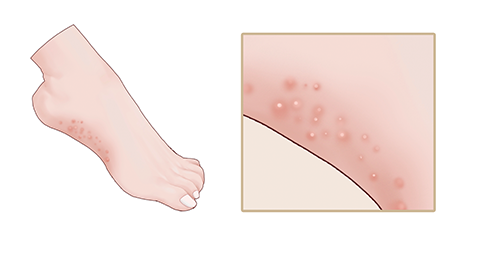
Crayfish are high-protein foods and common allergens. Patients with eczema often have sensitive skin and an unstable immune system. The foreign proteins in crayfish may be recognized by the immune system as harmful substances, triggering immune responses, activating inflammatory mediators, worsening skin inflammation, and making eczema symptoms such as redness, itching, and exudation more pronounced.
Crayfish are considered warm-natured in traditional Chinese medicine and may exacerbate internal damp-heat conditions after consumption. Many eczema patients have internal accumulation of damp-heat according to TCM syndrome differentiation, and excessive consumption of crayfish may intensify damp-heat symptoms, hindering the recovery from eczema. Crayfish have fishy and pungent characteristics, and their high protein content may lead to increased production of allergic mediators such as histamine, aggravating symptoms of itching, swelling, and others associated with eczema. itching.
To avoid worsening their condition, eczema patients should avoid allergenic foods like crayfish, maintain a light diet, consume more fresh vegetables and fruits, ensure adequate hydration, and avoid spicy, greasy, and irritating foods. If there are doubts about whether certain foods are suitable for consumption, patients should consult a professional physician and follow medical advice to arrange their diet appropriately.


