


What symptoms does uremia present?
Jun 25, 2021
Source: Cainiu Health

Dr. Zhang Hongxia
Introduction
1. Loss of appetite: When kidney function is impaired, toxins such as urea and serum creatinine accumulate progressively in the body.
2. Sallow complexion: Many patients with uremia exhibit a sallow complexion early in the disease course, primarily due to anemia.
3. Edema: Swelling (edema) is one of the more prominent early symptoms of uremia.
Uremia is a clinical syndrome occurring in the end-stage of chronic kidney failure. Patients commonly exhibit cardiovascular manifestations such as fluid and electrolyte imbalances, heart failure, and arrhythmias. Gastrointestinal symptoms—including anorexia, nausea, and vomiting—are also frequent, along with hematologic manifestations such as anemia. So, what symptoms does uremia present? The following section addresses this question.
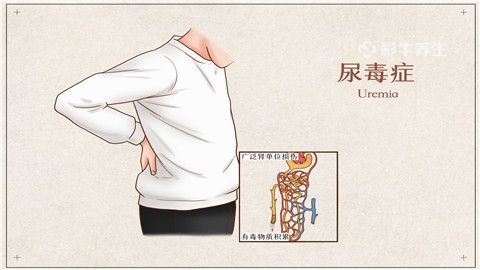
What Symptoms Does Uremia Present?
1. Loss of Appetite
When kidney function deteriorates, toxins such as urea and serum creatinine accumulate progressively in the body. Over time, these toxins irritate the gastrointestinal tract, leading to loss of appetite. As the disease advances, patients may develop anorexia, nausea, and vomiting; in severe cases, gastrointestinal bleeding may occur. Additionally, due to severely impaired renal function, the body cannot adequately excrete metabolic waste products and excess fluid via the kidneys, resulting in water and sodium retention.

2. Sallow Complexion
Many patients with uremia exhibit a sallow complexion early in the disease course—primarily attributable to anemia. Moreover, the lips and nail beds often appear pale. If you notice similar symptoms in daily life, prompt medical evaluation is recommended to avoid delaying optimal treatment. Furthermore, because early-stage uremia involves diminished renal filtration capacity, urine output may decrease in some patients. However, others may maintain normal urine volume while excreting fewer toxins in their urine.

3. Edema
Edema is one of the more prominent early signs of uremia. Typically, edema initially appears in the eyelids, lower extremities, or ankles. If pressing on the swollen area leaves an indentation (pitting edema), immediate medical consultation is warranted, as this may indicate uremia. Moreover, impaired kidney function significantly reduces the body’s ability to eliminate toxins, leading to sodium and fluid retention—and consequently, increased secretion of substances that elevate blood pressure. In addition, water and sodium retention may provoke cardiovascular symptoms in some patients.
The above outlines the common symptoms associated with uremia. We hope this information proves helpful to you.





