


What foods should not be eaten with lychee?
Jun 24, 2025
Source: Cainiu Health

Dr. Yu Yongchao
Introduction
Lychee should not be consumed with five types of foods including cucumber and carrot, or with five types of medications such as acetaminophen tablets and metformin hydrochloride sustained-release tablets. The former may affect nutrient absorption due to the presence of vitamin C-degrading enzymes, while the latter may reduce drug efficacy or cause adverse reactions. These foods should be avoided within two hours before and after consuming lychee, and consultation with a healthcare professional is recommended if lychee is consumed during medication.
There are some contraindications for consuming lychee. It generally should not be consumed with foods such as cucumber, carrot, animal liver, pumpkin, or milk, nor should it be taken with medications such as acetaminophen tablets, metformin hydrochloride sustained-release tablets, domperidone tablets, vitamin K1 injection, or aspirin enteric-coated tablets. Detailed explanations are as follows:
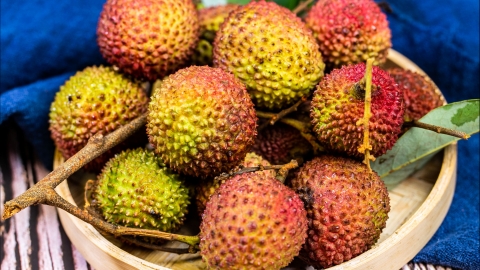
I. Foods
1. Cucumber: Cucumber contains vitamin C-decomposing enzymes, while lychee is rich in vitamin C. When consumed together, the enzymes in cucumber can degrade the vitamin C in lychee, reducing its nutritional value and weakening its antioxidant effects.
2. Carrot: Carrot contains ascorbic acid oxidase, which can also destroy the vitamin C in lychee, preventing the nutrients in lychee from being fully absorbed and utilized, thus affecting health.
3. Animal liver: Animal liver is rich in metal ions such as copper and iron. These ions can oxidize the vitamin C in lychee, causing it to lose its original nutritional value and hindering the body's absorption of essential nutrients.
4. Pumpkin: Pumpkin contains vitamin C-decomposing enzymes. When consumed with lychee, these enzymes can destroy the vitamin C in lychee, lowering the nutritional value of both foods and preventing optimal nutrient absorption.
5. Milk: Lychee is rich in fruit acid, while milk contains a large amount of protein. When fruit acid combines with protein, it causes the protein to coagulate, affecting digestion and absorption in the gastrointestinal tract and potentially leading to symptoms of indigestion such as bloating, abdominal pain, and diarrhea.
II. Medications
1. Acetaminophen tablets: A commonly used antipyretic and analgesic drug belonging to non-steroidal anti-inflammatory drugs (NSAIDs). The sugar content in lychee may affect the absorption rate and metabolism of acetaminophen in the gastrointestinal tract, reducing its therapeutic effectiveness and impairing fever and pain relief.
2. Metformin hydrochloride sustained-release tablets: A common oral hypoglycemic agent used in the treatment of type 2 diabetes. Lychee has a high sugar content, which can elevate blood glucose levels after consumption. Taking it together with metformin may interfere with the drug's regulation of blood glucose, causing fluctuations in blood sugar levels and making diabetes management more difficult.
3. Domperidone tablets: A typical bitter stomachic that promotes digestion by stimulating gastric motility. The sweetness of lychee may mask the bitterness of domperidone, affecting the drug's ability to stimulate taste receptors and thereby reducing its effect on promoting gastric secretion and enhancing gastric motility.
4. Vitamin K1 injection: Clinically used to treat bleeding caused by vitamin K deficiency. Vitamin C in lychee has anticoagulant properties, which counteract the procoagulant function of vitamin K1 injection. When used together, their pharmacological effects may cancel each other out, affecting the body's normal coagulation mechanism.
5. Aspirin enteric-coated tablets: Commonly used for antipyresis, analgesia, and anti-thrombosis. The fruit acid in lychee can alter the acidic environment of the stomach, increasing gastric acidity. In an acidic environment, aspirin enteric-coated tablets have increased solubility, which may lead to excessive drug absorption and an increased risk of gastrointestinal discomfort and bleeding.
When eating and taking medications, it is important to pay attention to the contraindications of lychee consumption. Avoid consuming contraindicated foods within two hours before or after eating lychee. If you are taking any of the above medications and wish to consume lychee, consult a doctor or pharmacist in advance to determine the appropriate timing and quantity based on your individual health condition, ensuring dietary safety and medication effectiveness.





