


What is the normal reference range for uric acid?
Jul 08, 2025
Source: Cainiu Health

Dr. Yang Tiesheng
Introduction
Under normal circumstances, the normal range of uric acid levels is 208~416 μmol/L for males and 149~358 μmol/L for females. Uric acid level testing can be influenced by various factors, such as diet, exercise, and medications. Therefore, when undergoing uric acid testing, it is advisable to avoid these interfering factors as much as possible to ensure the accuracy of the test results.
Under normal circumstances, the normal reference range for uric acid is 208–416 μmol/L for males and 149–358 μmol/L for females. A detailed explanation is as follows:
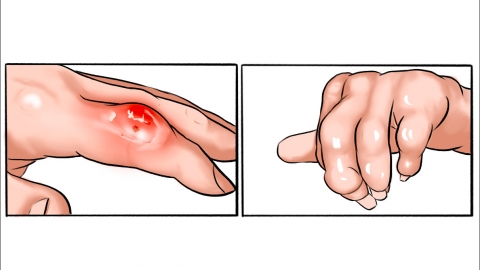
As the end product of purine metabolism in the human body, uric acid concentration in the blood serves as an important indicator reflecting the body's metabolic status, with differences in normal ranges between genders. The normal value for male uric acid is 208–416 μmol/L, while for females it is 149–358 μmol/L. This difference may be related to physiological factors such as the estrogen-facilitated excretion of uric acid in females. Clinically, uric acid testing is commonly used to assess metabolic health. Persistently elevated levels beyond the normal range may lead to hyperuricemia, thereby increasing the risk of gout attacks, urinary tract stones, and kidney damage. Conversely, excessively low levels may indicate insufficient nutrient intake or certain metabolic disorders. Therefore, maintaining uric acid within the normal range for each gender is one of the key factors in ensuring metabolic balance.
Uric acid level testing can be influenced by multiple factors, including diet, physical activity, and medications. Therefore, when undergoing uric acid testing, it is advisable to minimize these interfering factors as much as possible to ensure accurate test results. Additionally, if uric acid levels are abnormal, timely medical consultation is recommended, along with following the healthcare provider's advice for treatment and necessary adjustments.





