


What medications are effective for erectile dysfunction and premature ejaculation?
Jul 08, 2021
Source: Cainiu Health

Dr. Li Mingchuan
Introduction
Erectile dysfunction and premature ejaculation can be treated with phosphodiesterase type 5 (PDE5) inhibitors—such as sildenafil and tadalafil—which are currently the first-line pharmacological treatment for erectile dysfunction. Selective serotonin reuptake inhibitors (SSRIs)—including dapoxetine, fluoxetine, and paroxetine—may also be used, as they possess ejaculatory delay properties. Additionally, alpha-adrenergic blockers—such as alfuzosin and terazosin—may be considered.
Erectile dysfunction (ED) and premature ejaculation (PE) are two distinct medical conditions. ED—also known as impotence—is a disorder of penile erection, primarily involving insufficient rigidity. PE, by contrast, is a disorder of ejaculatory control, characterized by inadequate duration of intercourse. Specifically, ED refers to the persistent inability to attain and maintain a penile erection sufficient for satisfactory sexual intercourse. PE is defined as the occurrence of involuntary ejaculation either before vaginal penetration or shortly thereafter—typically within approximately one minute following insertion. So, what medications are effective for treating both ED and PE? The following section addresses this question.

Which Medications Are Effective for Erectile Dysfunction and Premature Ejaculation?
Phosphodiesterase type 5 (PDE5) inhibitors—such as sildenafil and tadalafil—are first-line pharmacological treatments for erectile dysfunction. Selective serotonin reuptake inhibitors (SSRIs)—including dapoxetine, fluoxetine, and paroxetine—have demonstrated efficacy in delaying ejaculation. Additionally, alpha-adrenergic blockers—such as alfuzosin and terazosin—may help reduce sympathetic tone in the ejaculatory ducts, thereby prolonging ejaculatory latency. Importantly, all these medications must be used strictly under medical supervision to avoid potential adverse effects or worsening of symptoms. Furthermore, patients are advised to adopt healthy lifestyle habits—including regular sleep schedules (going to bed early and rising early), avoiding late-night activities, and preventing excessive physical or mental fatigue—to support clinical improvement.

Supplementary Information: Causes of Erectile Dysfunction and Premature Ejaculation
1. Psychological Factors
Excessive life stress, prolonged depression, chronic anxiety, or other negative emotional states may erode confidence and induce fear toward sexual activity—potentially contributing to both ED and PE. Moreover, long-term excessive masturbation can disrupt normal neurologic function, leading to a constellation of symptoms including ED and PE.
2. Organic Pathology
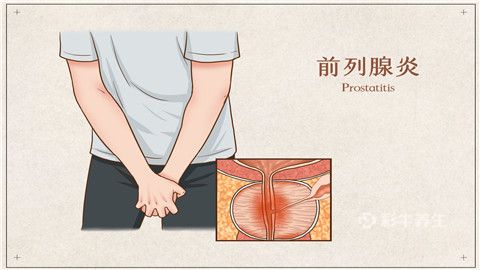
Inflammatory conditions—including urethritis, prostatitis, seminal vesiculitis, and orchitis—can lower central nervous system excitability and impair neural control over the ejaculatory center, thereby precipitating ED and PE. Endocrine disorders—such as adrenal disease or testicular dysfunction—may also contribute to the development of ED and PE.
3. Unhealthy Lifestyle Habits
Chronic hypersexuality or excessively frequent masturbation may heighten cortical excitability, predisposing individuals to ED and PE. Similarly, long-term tobacco smoking and heavy alcohol consumption are associated with increased risk. Nicotine in cigarettes adversely affects penile vascular function and erectile capacity. Excessive alcohol intake, through its direct neurodepressive and anesthetic effects, may likewise trigger episodes of ED and PE.
The above outlines evidence-based pharmacological options for managing erectile dysfunction and premature ejaculation. We hope this information proves helpful.


