


What are the symptoms of ankylosing spondylitis?
Sep 08, 2025
Source: Cainiu Health

Dr. Chen Jian
Introduction
The symptoms of ankylosing spondylitis primarily affect the spine, sacroiliac joints, and peripheral joints. Common manifestations include low back pain, morning stiffness, joint pain, restricted spinal mobility, and eye discomfort. The order and severity of symptom onset may vary among patients. If the aforementioned symptoms occur, timely professional evaluation is recommended for accurate diagnosis. Once diagnosed, appropriate treatment can help alleviate symptoms.
Generally, the symptoms of ankylosing spondylitis mainly affect the spine, sacroiliac joints, and peripheral joints. Common manifestations include low back pain, morning stiffness, joint pain, limited spinal mobility, and eye discomfort. The order and severity of symptom onset may vary among individuals. A detailed analysis is as follows:
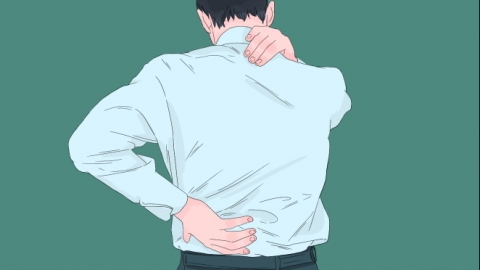
1. Low Back Pain: This is the most typical early symptom of the disease. Pain typically occurs in the lower back or sacroiliac joint area. Initially, it often presents as a dull or aching pain that may temporarily improve with rest but worsens with activity. As the disease progresses, the pain may gradually spread upward to the thoracic and cervical spine.
2. Morning Stiffness: Patients often experience significant stiffness in the spine upon waking in the morning, making it difficult to bend over or turn quickly. This stiffness typically lasts for more than 30 minutes and gradually improves after some activity. If the disease is not well controlled, the duration of morning stiffness may increase, severely affecting basic activities after waking up.
3. Peripheral Joint Pain: In addition to spinal involvement, some patients may experience pain in peripheral joints such as the hip, knee, and ankle joints. This often presents as aching pain and swelling in one or both joints, which worsens with movement.
4. Limited Spinal Mobility: As the disease progresses, spinal inflammation may lead to joint adhesion and bone spurs, gradually restricting the range of spinal movement. Patients may experience difficulty bending forward, inability to fully lift the head or turn it sideways, and in severe cases, the spine may become rigid, losing its normal physiological curvature.
5. Eye Discomfort: Some patients may experience eye-related symptoms such as conjunctivitis or uveitis, presenting as redness, pain, light sensitivity, and blurred vision. These ocular symptoms may recur and, if not treated promptly, could affect vision. They must be differentiated from other eye diseases during diagnosis.
If any of the above symptoms occur, it is recommended to seek timely professional evaluation for accurate diagnosis. Once diagnosed, appropriate treatment should be followed to relieve symptoms. In daily life, moderate exercise can help maintain joint flexibility, while staying warm and avoiding excessive fatigue can help reduce the impact of symptoms on daily life.





