


What should I do if I feel like there's a foreign object in my eye?
Nov 19, 2025
Source: Cainiu Health

Dr. Wang Lei
Introduction
In general, a foreign body sensation in the eye may be caused by actual foreign objects entering the eye, eye strain, allergic conjunctivitis, bacterial keratitis, dry eye syndrome, or other reasons. It is recommended to seek medical attention promptly, identify the underlying cause, and then improve symptoms through general measures, medications, or other treatments under a doctor's guidance. Daily attention should be paid to eye hygiene, and rubbing the eyes with dirty hands should be avoided.
Under normal circumstances, a foreign body sensation in the eye may be caused by factors such as actual foreign objects entering the eye, eye strain, allergic conjunctivitis, bacterial keratitis, or dry eye syndrome. It is recommended to seek medical attention promptly, identify the underlying cause, and then improve symptoms under a doctor's guidance through general management, medication, and other treatments. Specific analyses are as follows:
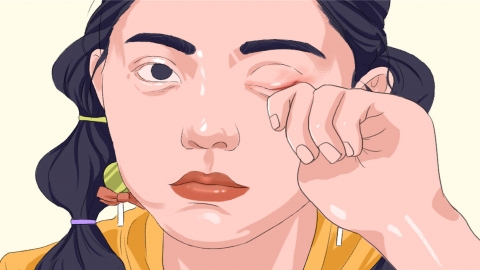
1. Foreign object in the eye: Small substances like dust or sand entering the eye can directly irritate the cornea and conjunctiva, causing a foreign body sensation, often accompanied by tearing. Immediately stop rubbing the eye. Gently close the eye to allow tears to naturally flush out the object. If the object remains, use a clean cotton swab moistened with saline solution to gently dab it away—never rub forcefully. Seek medical help promptly if you cannot remove it yourself.
2. Eye strain: Prolonged screen exposure or staying up late keeps the eyes in a constant state of tension, reducing both the quantity and quality of tear secretion, leading to sensations of dryness and foreign body discomfort. Take a break every 30 minutes of screen use to look into the distance for at least 5 minutes. Adjust screen brightness to match the surrounding environment. Ensure 7–8 hours of sleep each night and apply a warm compress (around 40°C) to the eyes for 10 minutes to promote ocular circulation.
3. Allergic conjunctivitis: After exposure to allergens such as pollen or dust mites, an allergic reaction occurs in the conjunctiva, manifesting as a foreign body sensation, itching, and redness. Avoid known allergens, wear protective sunglasses when outdoors, and follow medical advice to take oral antihistamines such as cetirizine hydrochloride tablets, loratadine syrup, or chlorpheniramine maleate tablets. Use sodium cromoglycate eye drops as directed to relieve ocular symptoms.
4. Bacterial keratitis: Infection of the cornea by bacteria such as *Staphylococcus aureus* causes inflammatory reactions, resulting in severe foreign body sensation, photophobia, and blurred vision. Maintain good eye hygiene and avoid touching the eyes with dirty hands. Follow medical instructions to use antibiotic eye drops such as levofloxacin, tobramycin, or chloramphenicol.
5. Dry eye syndrome: Insufficient tear production or excessive evaporation leads to poor lubrication of the ocular surface, causing a foreign body sensation—particularly noticeable in dry environments like air-conditioned rooms. Reduce time spent in air-conditioned spaces, use a humidifier to increase ambient moisture, and follow medical advice to use artificial tear solutions such as sodium hyaluronate eye drops, polyethylene glycol eye drops, or carboxymethylcellulose sodium eye drops. Lid gland massage may be necessary in some cases.
Maintain good eye hygiene daily and avoid rubbing the eyes with dirty hands. Consume more foods rich in vitamin A, such as carrots and blueberries, and reduce intake of spicy and irritating foods to support overall eye health.





