


How to Relieve Labor Contractions
Aug 03, 2021
Source: Cainiu Health

Dr. Liu Xiuyan
Introduction
1. Relax your mind—listening to music can help alleviate the mother’s anxiety during labor and reduce the pain associated with uterine contractions.
2. Distract yourself—when contractions become more frequent, the expectant mother may visualize the joyful scene of her baby’s birth.
3. Relax your body—abdominal muscle tension during contractions is normal; at such times, consciously relax all other parts of the body.
Uterine contractions refer to the regular, rhythmic tightening of the uterine muscles and are a key sign of labor onset. Pregnant women commonly experience abdominal tightness accompanied by pain that occurs in a predictable, rhythmic pattern. Typically, regular contractions occur every 2–3 minutes and last approximately 40–50 seconds. When the cervix is fully dilated, contractions occur at intervals of about 1–2 minutes—indicating that delivery is imminent. So, how can one alleviate the pain associated with labor contractions? Below, we address this question.
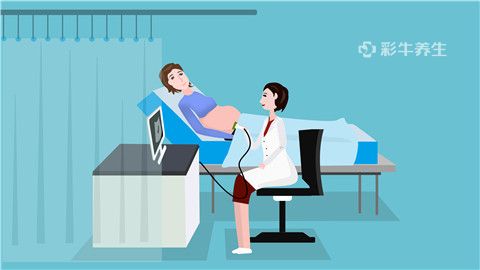
How to Alleviate Labor Contraction Pain
1. Relax Your Mind
Listening to music can help ease the anxiety experienced during childbirth and reduce contraction-related pain. Research shows that music therapy not only helps relieve labor pain but also supports postpartum recovery and strengthens the mother–baby bond. Additionally, performing exercises on a birthing ball may help alleviate pelvic discomfort.
2. Distract Yourself
As contractions become more frequent, expectant mothers may visualize the joyful moment of their baby’s birth—or read a newspaper, watch television, take a short walk, or chat with others. Try to avoid focusing on the word “pain.” Moreover, partners or family members can provide gentle massage to help ease tension and discomfort during labor.
3. Relax Your Body
It is normal for abdominal muscles to tense during contractions; however, other parts of the body should remain as relaxed as possible. Whether sitting or lying down, pregnant women should use supportive aids such as pillows or backrests to ensure comfort and proper support for the elbows, legs, lower back, and neck.

Additional Information: Symptoms of Uterine Contractions
1. Abdominal Cramping
Labor contractions are rhythmic and regular. Initially, they typically occur about every 10 minutes, causing intermittent abdominal cramping. As labor progresses, each contraction lasts longer—increasing to 40–60 seconds—and intensifies in strength, while the interval between contractions shortens to approximately 3–5 minutes. Additionally, contraction pain may radiate downward into the lower abdomen, or be accompanied by low-back aching or a sensation similar to needing to have a bowel movement.

2. Hardening of the Lower Abdomen
A common manifestation of uterine contractions is hardening of the lower abdomen. In addition to rhythmic pain, women often feel their lower abdomen become firm and tight. If contractions intensify markedly—occurring in strong, wave-like surges—and pain spreads to the lower abdomen or is accompanied by low-back aching or a sensation of needing to defecate, the woman should prepare for imminent delivery.
The above outlines effective strategies for alleviating labor contraction pain. We hope this information is helpful to you.



