


How to manage kidney stones
Dec 06, 2021
Source: Cainiu Health

Dr. Zhao Xinju
Introduction
How to manage kidney stones: Management primarily depends on stone size. For small stones, increasing fluid intake to promote diuresis and spontaneous passage is recommended. If stones fail to pass despite adequate hydration, medical dissolution therapy with litholytic medications may be considered. However, if large stones cause ureteral obstruction—resulting in dysuria and urinary difficulty—surgical intervention (e.g., lithotripsy) is generally the preferred treatment option.
There are numerous approaches to managing kidney stones, primarily determined by stone size. Small stones often cause crystalluria and may be passed spontaneously with increased fluid intake to promote diuresis. If stones fail to pass despite adequate hydration, medical dissolution therapy may be considered. However, when large stones obstruct the urethral orifice—causing dysuria and urinary difficulty—surgical intervention (e.g., lithotripsy) is generally recommended. Below, we provide a detailed overview of how kidney stones are managed.
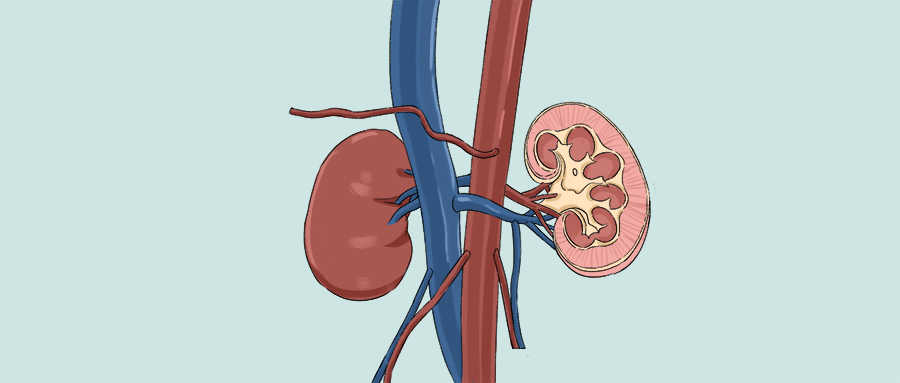
How Are Kidney Stones Managed?
1. General Management of Kidney Stones
Encourage high fluid intake to maintain daily urine output at ≥2,000–3,000 mL. In regions with high kidney stone prevalence, urine volume <1,200 mL/day significantly increases the risk of stone formation. To sustain nocturnal urine output, advise patients to drink fluids before bedtime and again after urinating during nighttime awakenings. Combined with diuretic and antispasmodic agents, increased hydration facilitates spontaneous passage of small stones. Urine dilution may also slow stone growth and reduce postoperative recurrence.
2. Symptomatic Management of Kidney Stones
For renal colic, intramuscular injection of pethidine (50 mg), optionally combined with promethazine (25 mg), may be administered; if symptoms persist, repeat dosing every 4 hours. Alternatively, morphine (10 mg) plus atropine (0.5 mg) provides effective spasmolysis and analgesia. Acupuncture with strong stimulation at points such as Shenshu (BL23), Jingmen (GB25), Sanyinjiao (SP6), or tender (Ah-Shi) points can also relieve spasms and pain. Local heat application over the renal area helps alleviate discomfort. For severe nausea and vomiting, intravenous infusion of glucose and normal saline restores fluid and electrolyte balance; in cases of metabolic acidosis, administer 5% sodium bicarbonate.
3. Antibiotic Therapy for Kidney Stones
Stones measuring <0.7–1.0 cm in diameter and having smooth surfaces may respond to conservative medical management, although currently no highly effective litholytic agents exist. Antibiotics should be selected based on bacterial sensitivity testing. Concurrent urinary acidification may enhance efficacy: ammonium chloride (3–9 g/day, divided into three oral doses) or methenamine mandelate (1 g four times daily) both acidify urine while exerting antibacterial effects—these agents are frequently used in combination. Appropriate antibiotic selection plays a critical role in controlling existing urinary tract infections, preoperative urinary tract sterilization prior to surgical stone removal, postoperative eradication of bacteriuria, and prevention of recurrent stone formation.
The above outlines key strategies for managing kidney stones.We hope this information is helpful to you.







