


How to Remove Keloids on the Chest
Dec 06, 2021
Source: Cainiu Health
Dr. Li Ruizhi
Introduction
1. Local corticosteroid injections may be administered, typically once per month for three to four consecutive months, which can resolve approximately 60–70% of the lesions.
2. If the keloids on the chest are severe—causing pain or significant cosmetic impairment—surgical excision may be considered.
3. Surgery may be combined with local drug injections.
Scarring is quite common—nearly everyone experiences injury at some point, and such injuries often leave scars of varying sizes, some of which heal spontaneously while others do not. For non-self-resolving (i.e., refractory) scars, specific interventions are required for removal. Additionally, keloids—raised, overgrown scar tissue—can develop on scars. So how can chest keloids be treated? Below, we address this question.
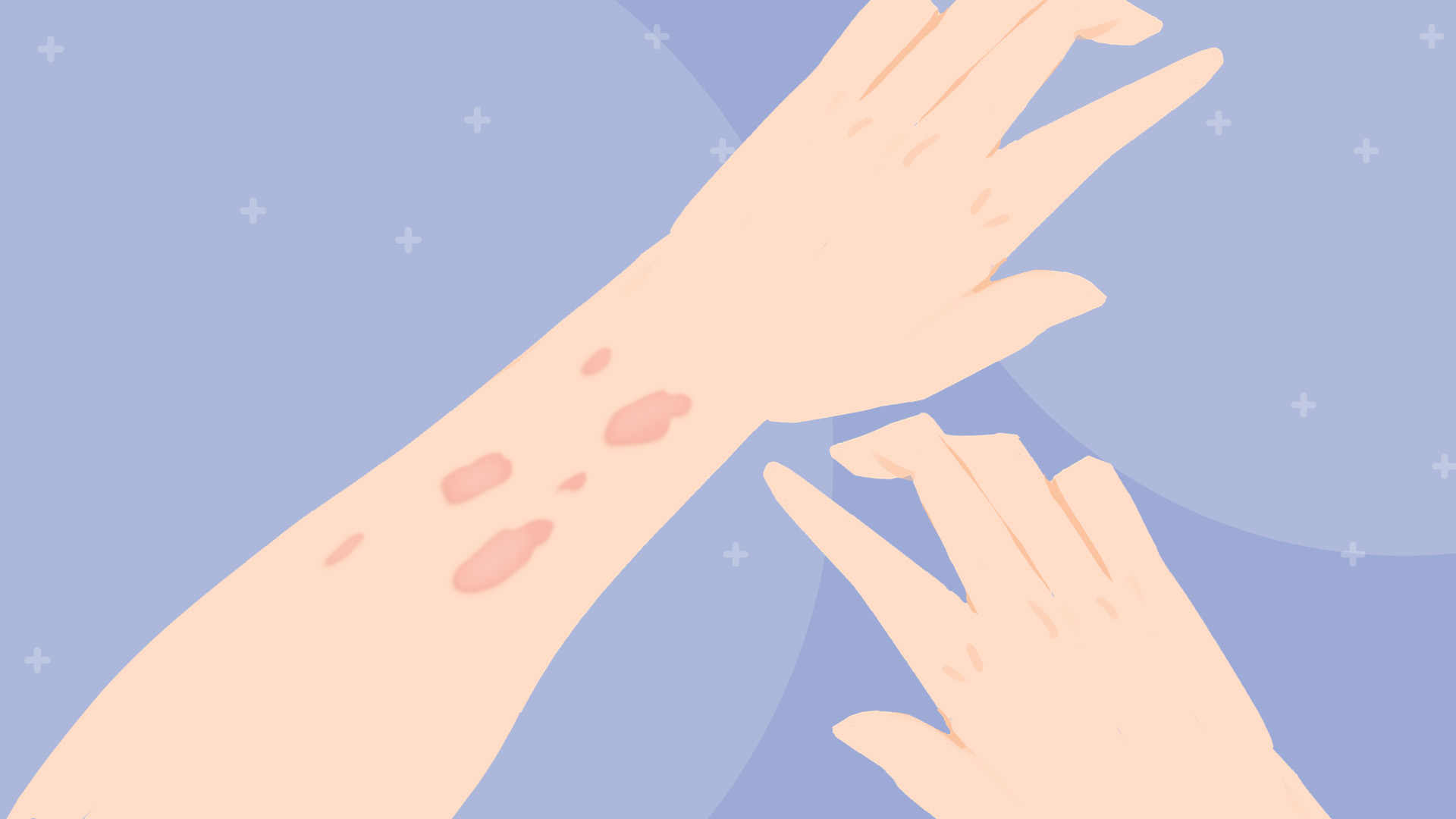
How to Remove Keloids on the Chest
1. Local corticosteroid injections may be administered—typically once per month for three to four consecutive months—which can resolve approximately 60–70% of lesions. However, although the lesion may soften and thin, its red discoloration often persists and is difficult to eliminate completely.
2. If chest keloids are severe—causing pain or significantly affecting appearance—surgical excision may be considered. However, recurrence rates following surgery are notably high; therefore, surgical intervention is generally not recommended as a first-line treatment.
3. Surgery or local drug injection may be combined with adjunctive therapies, such as superficial X-ray radiotherapy, laser therapy, or electron beam irradiation.
Additional Information: Causes of Keloids
Keloid formation primarily results from skin injury. Such injury may stem from sharp-object lacerations, localized inflammatory reactions causing skin trauma, or compression injuries. Initially, these injuries typically produce hypertrophic scars—excessive but confined scar tissue resulting from localized skin repair.
However, in individuals with a keloid-prone (keloid) constitution, these scars may progressively evolve into true keloids. During this transition, collagen and elastic fibers within the scar tissue become increasingly thickened and disorganized, ultimately manifesting as characteristic keloid lesions. Once formed, keloids tend to enlarge and harden over time and rarely regress spontaneously.
The above outlines approaches to treating chest keloids. We hope this information is helpful to you.





