


Which parts of the body itch when associated with cancer?
Dec 14, 2021
Source: Cainiu Health

Dr. Qi Zhirong
Introduction
Which Parts of the Body Itch in Cancer?
Generally speaking, most cancers are not clearly associated with pruritus (itching). The majority of cancers do not cause skin itching; only a small subset may be linked to it.
First, skin cancer: the skin surrounding the tumor site may experience irritative itching.
Second, rectal cancer: patients may develop itching due to rectal irritation symptoms.
It is very common for the body to experience itching. In most cases, this is primarily caused by stimulation from certain microorganisms or by skin diseases. If one considers itching in isolation, it is generally not associated with cancer. However, some cancers—when they develop—can indeed cause itching as a symptom. Once people become aware of this possibility, they may worry that new-onset itching signals an underlying malignancy. So, which specific areas of the body, when itchy, might indicate cancer? Let’s explore this in detail below.
Which Types of Itching May Be Associated with Cancer?
In general, most cancers are not clearly linked to pruritus (itching). The majority do not cause skin itching; only a small subset may trigger localized or generalized pruritus.
First, skin cancer: Itching may occur in the skin surrounding the tumor site due to local irritation.
Second, rectal cancer: Patients often experience repeated urges to defecate due to rectal irritation, which can secondarily lead to perianal itching.
Third, breast cancer: Some patients report itching localized to the nipple or areolar region.
Lastly, liver cancer—particularly advanced primary liver cancer or metastatic liver cancer arising from various tumors—may cause significant biliary obstruction. When bile ducts become blocked and bile excretion is impaired, jaundice develops, which in turn can induce generalized pruritus.
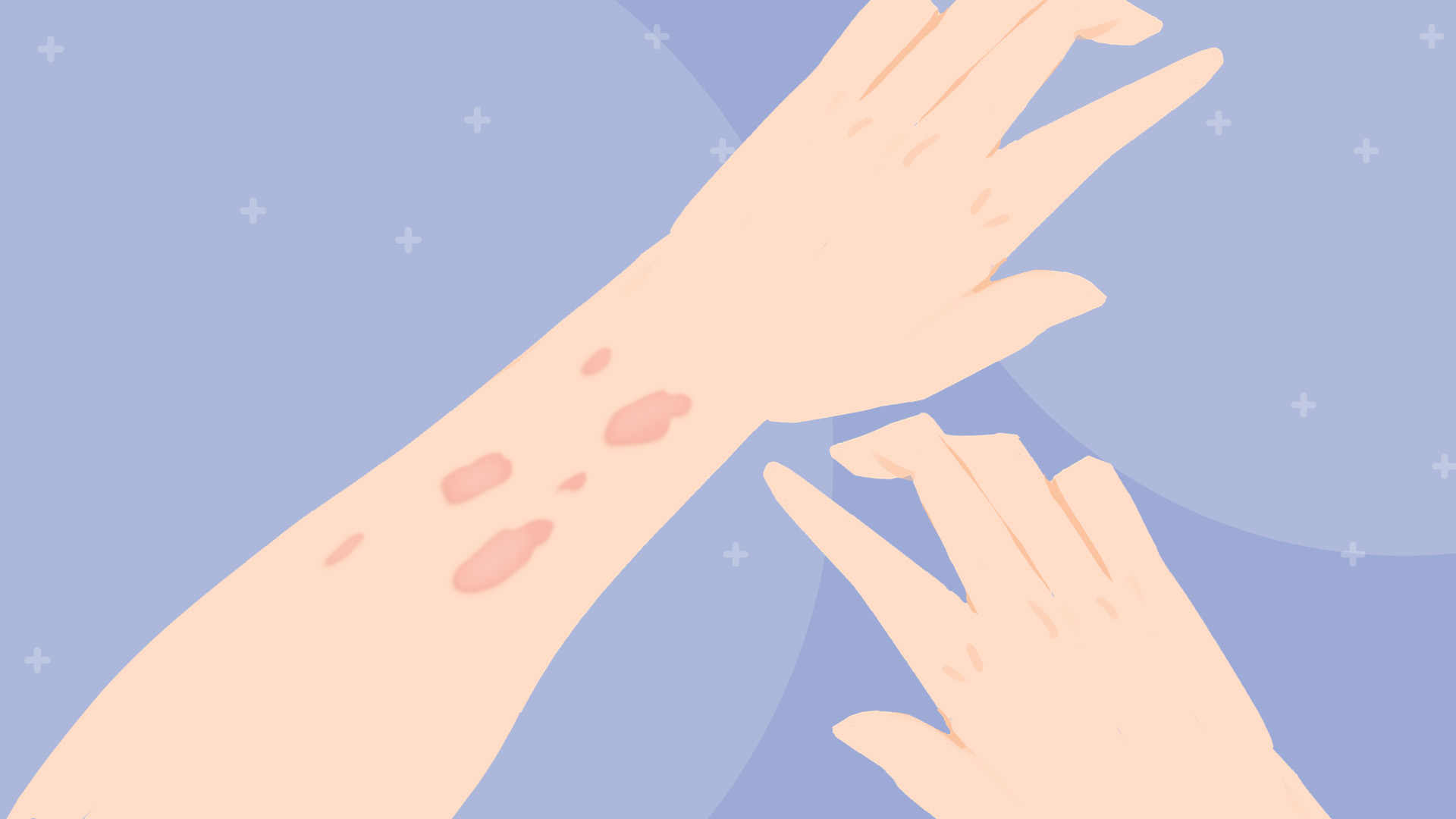
What Other Diseases Might Cause Itching?
Hepatobiliary Disorders
Experts note: “Many systemic diseases can also provoke pruritus.” Research indicates that approximately 40–60% of patients with hepatobiliary disease experience skin itching—often coinciding with hepatic discomfort, abnormal liver function tests, or the onset of jaundice.
Diabetes Mellitus
The prevalence of pruritus among diabetic patients ranges from 15% to 35%. About 10% of individuals with early-stage diabetes develop either generalized or localized pruritus, which tends to be persistent and particularly severe in the vulvar or perianal regions.
Thyroid Dysfunction
Both hyperthyroidism and hypothyroidism may cause pruritus. In hyperthyroidism, itching typically progresses gradually and is frequently accompanied by dry skin—worsening during winter months.
The above outlines key associations between localized itching and potential underlying cancers. We hope this information is helpful. Wishing you good health and a joyful life.





