Does passing green stool indicate colorectal cancer?
Dec 14, 2021
Source: Cainiu Health

Dr. Zhao Haiming
Introduction
Is green stool a sign of colorectal cancer? Generally speaking, in adults, green stool accompanied by pus may indicate acute enteritis, particularly if there is underlying intestinal dysfunction or indigestion. Additionally, consuming excessive amounts of green vegetables—or having excessively high gastric acidity—can also cause stool to appear green.
Cancer poses a serious health threat. Although numerous treatment options exist, this disease remains difficult to cure effectively at present. Consequently, many people harbor significant fear of cancer and tend to associate unexplained bodily abnormalities with cancer. Green stool can result from various causes, and when it occurs, many individuals immediately worry it may indicate colorectal cancer. So—is green stool a sign of colorectal cancer? Let’s explore this question below.
Is green stool a sign of colorectal cancer?
In general, in adults with intestinal dysfunction or indigestion, green stool containing pus may suggest acute enteritis. Additionally, consuming excessive amounts of green vegetables—or having excessively acidic body conditions—can also cause stool to appear green. While changes in stool color may occur in colorectal cancer, such changes alone are not diagnostic of the disease; further auxiliary examinations are required for confirmation.
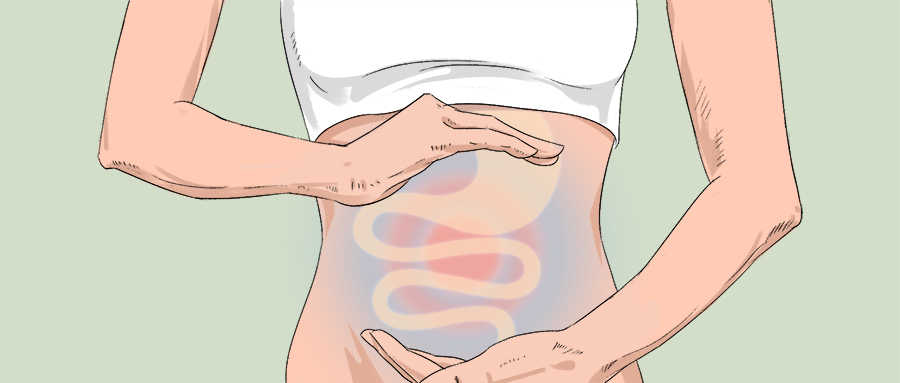
What are the warning signs of colorectal cancer?
Blood in stool
Hematochezia (blood in stool) is often the first symptom experienced by patients with rectal cancer, commonly appearing as blood on toilet paper after defecation. Many mistakenly attribute this to hemorrhoids, thereby delaying accurate diagnosis. Regardless of the underlying cause, any instance of hematochezia warrants evaluation by a physician—including digital rectal examination or simple proctoscopy—as these assessments hold significant diagnostic value for rectal cancer.
Abdominal pain
When colorectal cancer leads to mucosal erosion and secondary infection, increased peristalsis and spasm in the affected bowel segment may cause abdominal pain. Some patients present initially—or predominantly—with persistent, dull abdominal discomfort. Pain localized to the right lower quadrant is frequently misdiagnosed as chronic appendicitis. Others exhibit classic symptoms of incomplete intestinal obstruction, characterized by paroxysmal colicky pain. Recurrent occurrence of such symptoms warrants prompt medical evaluation.
Changes in bowel habits
Most individuals maintain regular daily bowel movements. If constipation or diarrhea develops repeatedly over a short period without an identifiable cause, this should raise concern.
Diarrhea
Frequent bowel movements—occurring several times or even more than ten times daily—accompanied by mucoid or bloody stools, or loose, watery stools, may occur. Some patients also experience a sensation of incomplete evacuation (tenesmus). If standard treatment fails to resolve these symptoms after two weeks or longer, colorectal cancer should be considered.
The above provides an overview addressing the question, “Is green stool a sign of colorectal cancer?” We hope this information is helpful. Wishing you good health and a happy life.