


How to Determine if an Intrauterine Device (IUD) Has Become Displaced
Dec 27, 2021
Source: Cainiu Health

Dr. Zhang Lu
Introduction
Increased menstrual flow and prolonged menstruation are warning signs of intrauterine device (IUD) displacement. Normal menstrual blood loss typically ranges from 20 to 60 mL; a marked increase in volume or a menstrual period lasting longer than seven days may indicate that the IUD has shifted position, thereby affecting the endometrium. When an IUD becomes displaced, vaginal discharge may increase in amount and become cloudy, sometimes containing streaks of blood—this results from irritation of the cervix or endometrium by the IUD.
Methods for diagnosing intrauterine device (IUD) displacement include symptom assessment, evaluation of menstrual abnormalities, observation of vaginal discharge changes, ultrasound examination, and fluoroscopic examination. It is recommended to seek prompt medical evaluation at a hospital. The following provides a detailed analysis:
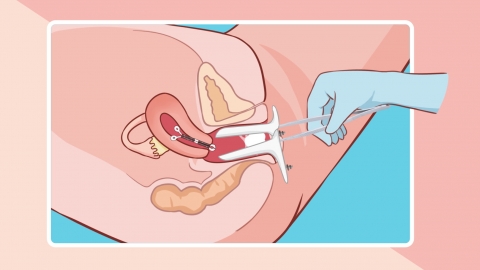
1. Symptom Assessment
Lower abdominal pain—particularly worsening during physical activity or intercourse—may indicate IUD displacement causing irritation to surrounding tissues. Accompanying symptoms may include low back pain, with persistent or worsening soreness after prolonged bending.
2. Evaluation of Menstrual Abnormalities
Increased menstrual flow and prolonged menstruation are potential signs of IUD displacement. Normal menstrual blood loss typically ranges from 20–60 mL; significantly heavier bleeding or periods lasting longer than seven days may reflect altered IUD positioning affecting the endometrium.
3. Observation of Vaginal Discharge Changes
With IUD displacement, vaginal discharge may increase in volume, become cloudy, and occasionally contain streaks of blood. These changes result from IUD-induced irritation of the cervix or endometrium, triggering an inflammatory response that alters discharge characteristics.
4. Ultrasound Examination
Ultrasound is a direct and highly accurate diagnostic method. Sonographic imaging clearly visualizes the IUD’s position within the uterus. Displacement—including partial or complete expulsion from the uterine cavity—can thus be definitively confirmed.
5. Fluoroscopic Examination
Fluoroscopy enables real-time visualization of the IUD’s location. Under fluoroscopy, a normally positioned IUD appears as a characteristic shape confined within the uterine outline. If the device lies outside this contour, displacement is strongly suggested.
Although fluoroscopy involves ionizing radiation, a single examination poses minimal risk to health. Prior to the procedure, patients should inform their physician of relevant clinical details—especially possible pregnancy—to ensure appropriate risk-benefit assessment before proceeding.
If IUD displacement is suspected, prompt medical consultation is essential for safe removal to prevent complications or discomfort.






