


What Are the Symptoms of Liver Cancer?
Dec 29, 2021
Source: Cainiu Health

Dr. Pan Guozheng
Introduction
What are the symptoms of liver cancer?
1. Pain in the liver area: Most patients’ initial symptom is pain in the liver region, which occurs in over 50% of cases. This pain typically manifests in the right hypochondriac region or beneath the xiphoid process and may be intermittent or persistent—described as dull, vague, or stabbing pain.
2. Gastrointestinal symptoms: Common gastrointestinal manifestations include decreased appetite, postprandial epigastric fullness, and nausea.
Hepatocellular carcinoma (HCC) has also become highly prevalent. Its development is associated with multiple factors, including long-term heavy alcohol consumption, chronic depression, and dietary habits. Individuals with pre-existing liver disease should promptly seek medical evaluation and treatment; if neglected, progressive liver disease may ultimately evolve into HCC. It is therefore essential for the general public to be well-informed about the symptoms of HCC, enabling early detection and timely intervention.
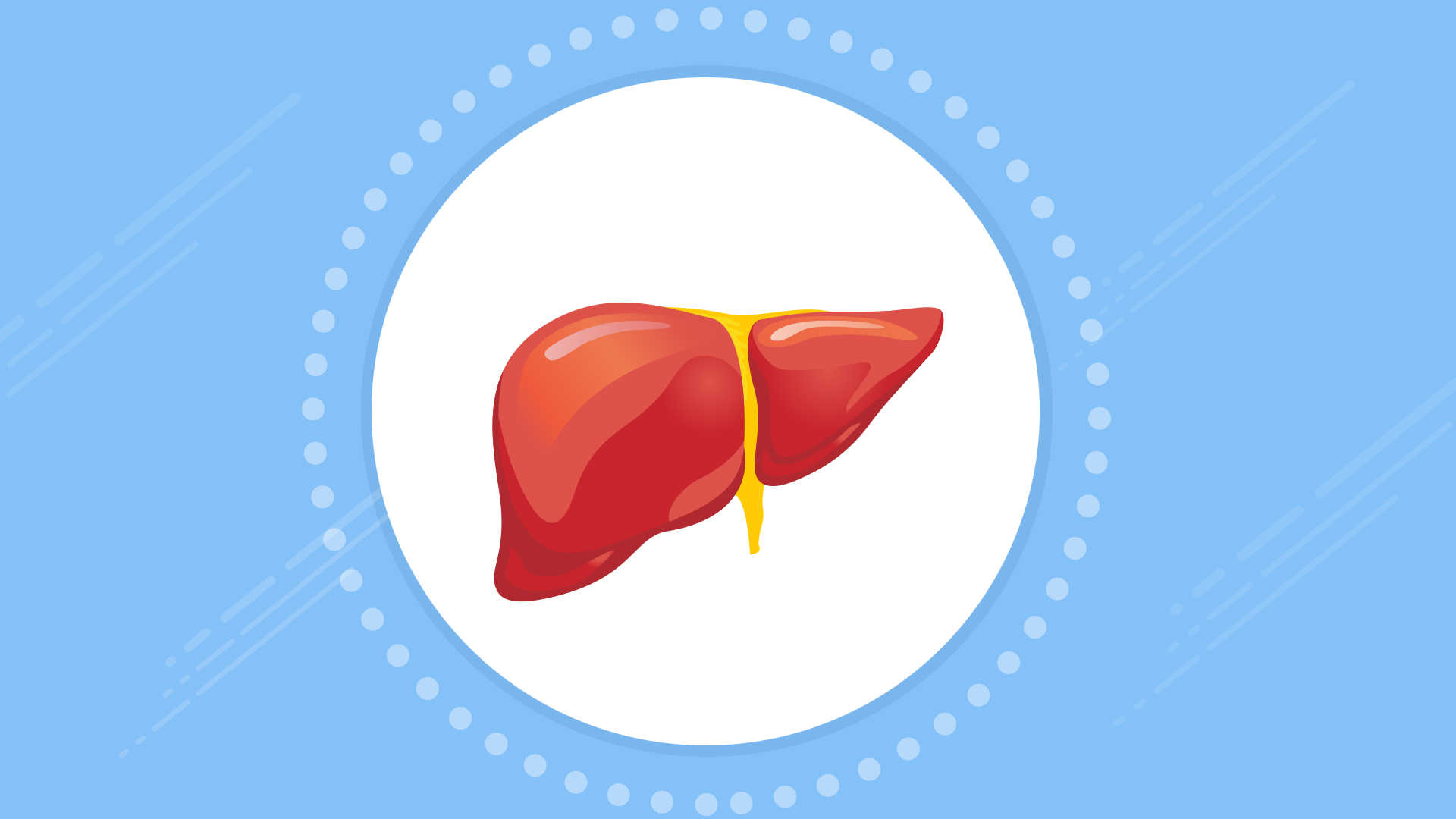
What Are the Symptoms of Hepatocellular Carcinoma?
1. Pain in the Hepatic Region
Pain in the hepatic region is the most common initial symptom, occurring in over 50% of patients. This pain typically localizes to the right hypochondrium or epigastrium and manifests as intermittent or persistent dull, aching, or stabbing discomfort. Prior to overt pain, patients often experience vague discomfort in the right upper abdomen; however, the intensity of this pain tends to fluctuate.
2. Gastrointestinal Symptoms
Decreased appetite, postprandial epigastric fullness, and nausea are common gastrointestinal manifestations of HCC, with anorexia and abdominal distension being the most frequent. Diarrhea is also relatively common and may be misdiagnosed as chronic enteritis. Portal or hepatic vein tumor thrombosis can induce portal hypertension and intestinal dysfunction, leading to abdominal distension and increased bowel movement frequency; ascites may also contribute to distension. Additional gastrointestinal disturbances—including indigestion, belching, and nausea—may further occur due to impaired gut motility and secretion.
3. Fever
A substantial proportion of HCC patients experience fever and diaphoresis. Most fevers are low- to moderate-grade; only a minority present with high fever (>39°C), typically without chills. Such “cancer-related fever” arises from pyrogen release secondary to tumor necrosis entering the systemic circulation. Additionally, immunocompromised HCC patients are prone to concurrent infections, which may also cause fever. Distinguishing infection-related fever from cancer-related fever requires careful assessment of peripheral blood counts and response to antimicrobial therapy.
4. Weight Loss and Fatigue
Patients with HCC commonly report greater fatigue than those with other malignancies—a feature shared with chronic hepatitis patients. The underlying mechanisms remain unclear but may involve gastrointestinal dysfunction and impaired nutrient absorption leading to energy deficits; hepatocyte injury and consequent metabolic derangements; failure to detoxify certain endogenous toxins; or release of toxic substances following tumor necrosis. Unintentional weight loss is another frequent symptom, attributable to compromised liver function and reduced digestive and absorptive capacity. As the disease progresses, weight loss intensifies and may culminate in cancer cachexia.
The above outlines the key clinical manifestations of hepatocellular carcinoma. We hope this information proves helpful to you.






