


What medications does Traditional Chinese Medicine (TCM) use to treat thyroid nodules?
Dec 30, 2021
Source: Cainiu Health
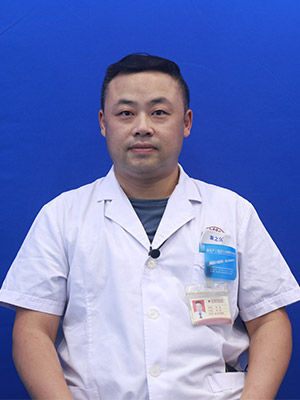
Dr. Deng Tao
Introduction
According to Traditional Chinese Medicine (TCM) theory, thyroid nodules fall under the category of “Ying disease” (goiter). This condition primarily arises from internal emotional injury, improper diet, and unsuitable local water and soil conditions, and is closely related to an individual’s constitutional predisposition. TCM theory holds that stagnation of Qi, accumulation of phlegm, and blood stasis leading to obstruction and aggregation in the anterior neck region constitute the fundamental pathogenesis of Ying disease. The primary affected organs are the Liver and Spleen, with involvement of the Heart as well.
In recent years, an increasing number of individuals have been found to have thyroid nodules during routine health examinations. The causes of thyroid nodules are diverse, and there is no particularly effective method for prevention. However, many patients have achieved favorable outcomes in treating thyroid nodules using Traditional Chinese Medicine (TCM) approaches.

Which TCM Medications Are Used to Treat Thyroid Nodules?
According to TCM theory, thyroid nodules fall under the category of “Ying disease” (goiter). The primary etiologies include internal injury caused by emotional disturbances, improper diet, and unsuitable local water and soil conditions—factors closely related to constitutional predisposition. TCM holds that stagnation of Qi, accumulation of phlegm, and blood stasis obstructing the anterior neck region constitute the fundamental pathophysiology of Ying disease.
The main affected organs are the Liver and Spleen, with involvement of the Heart. Liver Qi stagnation leads to Qi stagnation; Spleen impairment results in Qi binding; Qi stagnation impedes fluid metabolism, causing fluid retention; Spleen deficiency promotes the generation of phlegm-dampness; obstruction by both phlegm and Qi further impedes blood circulation—ultimately resulting in the conglomeration of Qi, blood, and phlegm to form Ying disease. With prolonged disease duration, Yin deficiency of the Liver may progress to Yin deficiency of the Heart, manifesting as palpitations, irritability, and a rapid pulse.
TCM treatment of thyroid nodules is categorized according to syndrome differentiation into the following four patterns:
Qi Stagnation and Phlegm Obstruction Pattern
Symptoms: Swelling or enlargement of masses on both sides of the anterior neck near the laryngeal prominence; soft texture without tenderness; sensation of tightness or fullness in the neck; chest oppression; frequent sighing; possibly accompanied by distending pain in the chest or hypochondriac region; symptoms often fluctuate with emotional changes. Tongue coating is thin and white; pulse is wiry.
Treatment Principle: Regulate Qi flow, relieve depression, resolve phlegm, and dissipate goiter.
Prescription: Modified Si Hai Shu Yu Wan (Four Seas Soothing Depression Pill).
Commonly Used Herbs: Laminaria japonica (Kunbu), Sargassum pallidum (Hai Zao), Sargassum fusiforme (Hai Dai), Sepia esculenta (Hai Piao Xiao), Meretrix meretrix shell (Hai Ge Ke), Fritillaria thunbergii (Zhe Bei Mu), Curcuma aromatica (Yu Jin), Asarum sieboldii (Qing Mu Xiang), Citrus reticulata (Qing Chen Pi), Platycodon grandiflorus (Jie Geng).
Phlegm Accumulation and Blood Stasis Pattern
Symptoms: Swelling or enlargement of masses on both sides of the anterior neck near the laryngeal prominence; firm consistency upon palpation, sometimes with discrete nodules; persistent swelling unrelieved over time; chest oppression; poor appetite; dark or purplish tongue body; thin white or greasy white tongue coating; wiry or涩 (choppy) pulse.
Treatment Principle: Regulate Qi, invigorate blood circulation, resolve phlegm, and dissipate goiter.
Prescription: Modified Hai Zao Yu Hu Tang (Laminaria Jade Pot Decoction).
Commonly Used Herbs: Sargassum pallidum (Hai Zao), Laminaria japonica (Kunbu), Sargassum fusiforme (Hai Dai), Citrus aurantium (Qing Pi), Citrus reticulata (Chen Pi), Pinellia ternata (Ban Xia), Arisaema erubescens (Dan Nan Xing), Fritillaria thunbergii (Zhe Bei Mu), Forsythia suspensa (Lian Qiao), Glycyrrhiza uralensis (Gan Cao), Angelica sinensis (Dang Gui), Paeonia lactiflora (Chi Shao), Ligusticum chuanxiong (Chuan Xiong), Salvia miltiorrhiza (Dan Shen).
Regardless of which pattern-based treatment approach is adopted, integrating Western and TCM therapies is highly recommended—particularly utilizing Western diagnostic methods to rule out malignancy, thereby avoiding delays in diagnosis and treatment. During the course of illness, close monitoring of changes in nodule morphology, size, consistency (softness/hardness), and mobility is essential. If a goiter fails to regress or instead enlarges and hardens despite treatment, heightened vigilance is warranted to exclude malignant transformation.
We hope the above information is helpful to you. Wishing you good health and happiness!







