How is chronic cervicitis best treated?
Jan 04, 2022
Source: Cainiu Health

Dr. Lei Ling
Introduction
Chronic cervicitis can be treated with pharmacotherapy. If the patient’s erosion area is relatively small and the inflammatory infiltration is not deep, drug therapy can be effective. Certain traditional Chinese medicines (TCMs) or proprietary Chinese medicine preparations may yield satisfactory therapeutic outcomes for cervicitis. Interferon is also an excellent treatment option.
Chronic cervicitis is the most common gynecological condition, particularly prevalent among parous women. Clinically, it primarily manifests as increased vaginal discharge—often white or slightly yellowish, sometimes thick and purulent, and occasionally blood-tinged or streaked with blood. Diagnosis is typically straightforward via routine gynecological examination. Local cervical changes commonly include cervical hypertrophy, endocervicitis, cervical glandular cysts (Nabothian cysts), and squamous metaplasia of the cervical epithelium. Below, we address the question: “What is the optimal treatment for chronic cervicitis?”
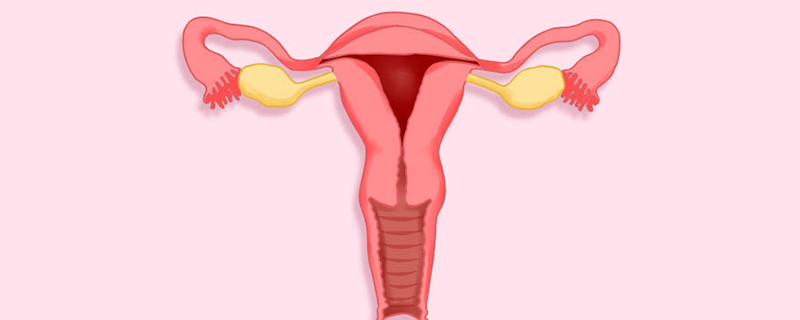
What Is the Optimal Treatment for Chronic Cervicitis?
Pharmacological therapy is a primary treatment option for chronic cervicitis. When the erosion area is small and inflammatory infiltration is superficial, drug therapy can be effective. Both traditional Chinese herbal medicines and standardized Chinese patent medicines have demonstrated favorable efficacy in treating cervicitis. Interferon is also a valuable therapeutic option.
Physical therapies may be considered when the erosion area is extensive and inflammation is deeply infiltrative. Common modalities include laser therapy, cryotherapy, and electrocautery. Selection should be guided by a physician’s recommendation. Additionally, patients must maintain rigorous personal hygiene during treatment, abstain from sexual intercourse, avoid sitz baths and vaginal douching, and undergo regular follow-up examinations at the hospital.
If neither physical nor pharmacological treatments yield satisfactory results—or if the condition progressively worsens—surgical intervention may be warranted. Conization (cervical cone biopsy) offers definitive treatment, promoting rapid recovery. Postoperative care and rehabilitation are essential.
Knowledge Extension: Etiology of Cervicitis
1. Mechanical Irritation or Trauma
Cervicitis is closely associated with sexual activity. Trauma to the cervix resulting from natural or induced abortion, diagnostic curettage, or childbirth may predispose to inflammation. Therefore, women of childbearing age should practice contraception diligently, minimize the number of induced abortions, and observe strict postpartum hygiene to prevent infection.
2. Pathogen Infection
Cervicitis often arises following cervical trauma due to childbirth, abortion, or surgical procedures. Major causative pathogens include:
(1) Sexually transmitted pathogens: Neisseria gonorrhoeae, Mycoplasma, and Chlamydia trachomatis.
(2) Endogenous pathogens: Staphylococcus aureus, Streptococcus spp., Escherichia coli, and anaerobic bacteria.
(3) Others: Protozoa—including Trichomonas vaginalis and Entamoeba histolytica. Rarely, chemical agents or ionizing radiation may also induce cervicitis.
3. Chemical Irritation
Vaginal irrigation with potassium permanganate solution or insertion of vaginal suppositories may provoke cervicitis.
4. Foreign Bodies in the Vagina with Secondary Infection
The presence of vaginal foreign bodies accompanied by infection not only predisposes to vaginitis but may also progress to cervicitis. Women should therefore prioritize personal hygiene.
The above outlines optimal management strategies for chronic cervicitis. We hope this information proves helpful.