


What medications are effective for treating urethritis?
Jan 04, 2022
Source: Cainiu Health
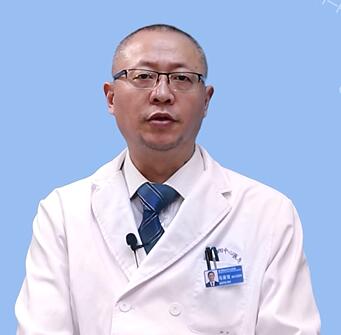
Dr. Ma Fujun
Introduction
1. Targeted antimicrobial therapy based on the causative pathogen—thus, treatment of non-gonococcal urethritis (NGU) must be individualized according to the specific microorganism identified.
2. Adequate treatment duration—since the causative organisms are less susceptible to antibiotics than common bacteria, the course of treatment should be relatively prolonged, typically around two weeks.
3. Enhance the body’s natural defense mechanisms—during treatment, minimize alcohol consumption and frequency of sexual intercourse.
Urethritis is a common condition characterized by inflammation of the urethral mucosa, and it occurs more frequently in women. Clinically, it can be classified as acute or chronic, nonspecific or gonococcal (caused by *Neisseria gonorrhoeae*). The latter two types present with similar symptoms and must therefore be differentiated based on patient history and bacteriological testing. Urethritis is most commonly caused by ascending infection—pathogens traveling upward into the urethra. So, what medications are effective for treating urethritis? Below, we address this question.
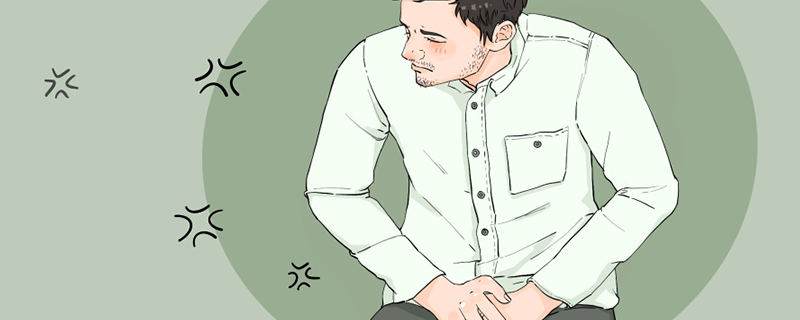
What Medications Are Effective for Urethritis?
1. Pathogen-Directed Antibiotic Therapy
In addition to the more widely recognized causative agents—Mycoplasma and Chlamydia (the predominant pathogens)—10–20% of cases may be attributable to other microorganisms, including *Trichomonas vaginalis*, *Candida albicans*, *Staphylococcus aureus*, streptococci, yeasts, and anaerobic Gram-negative bacilli. Therefore, treatment for nongonococcal urethritis must be individualized according to the specific pathogen identified.
2. Adequate Treatment Duration
Mycoplasma and Chlamydia are intracellular pathogens and thus less sensitive to antibiotics than typical extracellular bacteria. Consequently, treatment duration should be relatively prolonged—typically around two weeks. Patients should avoid self-medicating with over-the-counter antibiotics, as subtherapeutic exposure may promote antimicrobial resistance, rendering the drug ineffective in future episodes.
3. Supporting the Body’s Natural Immune Defenses
Optimal therapeutic outcomes require not only appropriate pharmacotherapy but also robust host immune responses. During treatment, patients should minimize alcohol consumption and sexual activity to enhance drug efficacy—a point often overlooked, especially among younger individuals. Additional contributing factors include irregular lifestyle habits, consumption of spicy or hot foods (e.g., hotpot), excessive physical fatigue, and preexisting chronic conditions.
Additional Information: Key Precautions for Urethritis
1. Avoid Spicy and Pungent Foods
Inflammatory exacerbation is often associated with “excess heat” (a concept in Traditional Chinese Medicine). Continued consumption of heat-inducing foods after onset of urethritis may further impair urination. Examples include chili peppers, scallions, ginger, and garlic—all of which may cause internal heat accumulation, constipation, and urinary discomfort. Similarly, strongly flavored foods such as spicy rice noodles and certain snacks should be avoided.
2. Avoid Seafood
All fish, shellfish, and other seafood should be avoided. Seafood is considered “heaty” and damp-promoting in nature; excessive intake may aggravate inflammation and hinder recovery—thus, aquatic products should be excluded from the diet.
3. Avoid Sweet and Greasy Foods
High-sugar foods—including candies, chocolates, cakes, and milk tea—are excessively sweet and rich, promoting internal dampness and heat accumulation. In women, excessive sugar intake may increase vaginal discharge and worsen symptoms; therefore, sweets should be strictly limited.
The above outlines effective pharmacological treatments for urethritis. We hope this information proves helpful to you.




