


Manifestations of Endometritis
Jan 05, 2022
Source: Cainiu Health
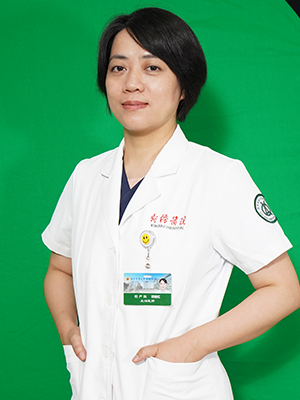
Dr. Xiang Jinhong
Introduction
Endometritis manifests as endometrial hyperemia and necrosis, accompanied by a large amount of purulent vaginal discharge that is foul-smelling. If the inflammation extends to the myometrium (myometritis), patients may also experience abdominal pain and increased lochia, with purulent discharge and marked uterine tenderness. Postpartum uterine involution may be impaired, accompanied by clinical symptoms such as fever, chills, and headache.
Symptoms of endometritis are relatively prominent. In the early stages of the disease, patients often experience mild fever and a persistent, dull, dragging pain in the lower abdomen. As the condition progresses, vaginal discharge increases significantly, develops an unpleasant odor, and may even contain streaks of blood. So, what are the manifestations of endometritis? The following section provides answers to this question.
Manifestations of Endometritis
Endometritis is characterized by endometrial congestion and necrosis, accompanied by copious purulent vaginal discharge that emits a foul odor. When myometritis (inflammation of the uterine muscle layer) is also present, patients may experience abdominal pain and increased lochia (postpartum vaginal discharge), with the discharge being purulent and the uterus exhibiting marked tenderness upon palpation.
Postpartum uterine involution may be impaired, accompanied by clinical symptoms such as fever, chills, and headache, along with a significant elevation in white blood cell count. The primary clinical manifestations of endometritis include abdominal pain and abnormal vaginal discharge—either malodorous or purulent. Acute endometritis is frequently associated with fever. Laboratory tests—including complete blood count (CBC), white blood cell count, and neutrophil count—typically reveal marked elevations, indicating systemic infection.
Knowledge Extension: Key Considerations for Endometritis
1. Prompt and Thorough Treatment of Acute Endometritis
Acute endometritis must be treated promptly and thoroughly to prevent progression to chronic endometritis.
2. Effective Contraception
Women should protect themselves by maintaining stable sexual partnerships and consistently using effective contraception to minimize the need for induced abortion—a major risk factor for intrauterine infection, cervical or intrauterine adhesions, and subsequent secondary infertility.
3. Personal Hygiene
Women should maintain strict personal hygiene. Underwear worn by patients, as well as bathtubs and towels used, should be disinfected by boiling in hot water. Choose loose-fitting, cotton underwear and change it frequently. Daily external genital cleansing is essential; a mild acidic pH-balanced cleanser may be used. Vaginal douching is recommended no more than once per week to avoid disrupting the natural vaginal flora and exacerbating the condition.
4. Adequate Rest
Postpartum patients should prioritize bed rest, preferably in a semi-recumbent position. This posture helps localize inflammatory exudates to the lower pelvis and facilitates lochial drainage. Maintain a warm, well-ventilated room environment, and avoid overdressing to prevent excessive sweating. During treatment, closely monitor changes in the volume, color, consistency, and odor of vaginal discharge to assess therapeutic efficacy.
5. Dietary Management
Dietary adjustments should emphasize adequate hydration and increased intake of protein- and vitamin-rich foods to bolster immune resistance.
The above outlines the key manifestations of endometritis. We hope this information proves helpful to you.



