


How to Treat Prostatitis
Jan 07, 2022
Source: Cainiu Health
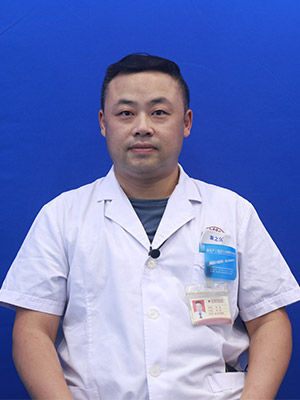
Dr. Deng Tao
Introduction
General antimicrobial therapy. Antimicrobial therapy involves using a double-balloon catheter to occlude the prostatic urethra and instilling an antibiotic solution into the urethral lumen, allowing it to reflux into the prostatic ducts to achieve therapeutic effect. Nonsteroidal anti-inflammatory drugs (NSAIDs) can alleviate symptoms of prostatitis and are typically administered orally or as suppositories. Traditional Chinese medicine (TCM) commonly employs heat-clearing, detoxifying, and softening agents, which also demonstrate favorable clinical efficacy.
The prostate is a vital male reproductive organ; once inflamed, prostatitis inevitably compromises male fertility. Moreover, if treatment is delayed in the early stages, localized inflammation may spread systemically, leading to a range of serious complications—such as neurasthenia, low back pain, and generalized body aches. Therefore, it is essential to approach any health issue rationally and responsibly—never avoiding medical consultation due to embarrassment or stigma—and thereby prevent recurrent episodes. Below, we outline evidence-based treatment strategies for prostatitis to help restore normal function.

How Is Prostatitis Treated?
1. Conventional Antibiotic Therapy
Antibiotic therapy typically involves using a dual-balloon catheter to occlude the prostatic segment of the urethra, followed by instillation of an antibiotic solution into the urethral lumen. This allows retrograde flow of the solution into the prostatic ducts, achieving targeted antimicrobial action.
2. Analgesic and Anti-inflammatory Medications
Nonsteroidal anti-inflammatory drugs (NSAIDs) effectively alleviate symptoms of prostatitis and are commonly administered orally or as rectal suppositories. Traditional Chinese medicine (TCM) formulations—often incorporating heat-clearing, detoxifying, and softening agents—also demonstrate favorable clinical outcomes.
3. Physical Therapies
Prostate massage is the most common physical modality. It helps evacuate highly concentrated secretions from the prostatic ducts and drain infected foci in obstructed glandular regions. For refractory cases, prostate massage may be performed every 3–7 days alongside systemic antibiotic therapy. Additional modalities—including microwave therapy, radiofrequency ablation, ultra-short wave therapy, and hot sitz baths—can promote relaxation of prostatic smooth muscle, enhance antimicrobial efficacy, and relieve pain.
4. Alpha-Adrenergic Blockers
Patients with prostatic pain, bacterial prostatitis, or nonbacterial prostatitis often exhibit increased smooth muscle tone in the prostate, bladder neck, and urethra. During urination, elevated intraprostatic urethral pressure causes urinary reflux into the prostatic ducts—a key mechanism underlying prostatic pain, prostatic calculi, and recurrent bacterial prostatitis. Alpha-adrenergic blockers significantly improve prostatic pain and play a crucial role in preventing infection recurrence.
5. Surgical Intervention
Surgery—primarily transurethral resection or prostatectomy—is reserved for carefully selected patients with recurrent chronic bacterial prostatitis unresponsive to conservative management. While surgical removal may achieve cure, it must be approached with extreme caution due to significant risks and potential complications.
We hope this information proves helpful. Wishing you good health and well-being!




