


What causes lower abdominal pain after urination?
Jan 10, 2022
Source: Cainiu Health

Dr. Ma Fujun
Introduction
Why does lower abdominal pain occur after urination?
1. Urinary tract infection (UTI): Many individuals habitually hold in their urine. When urine is not promptly voided, infections in the organs of the left lower abdomen may worsen, leading to pain.
2. Bladder stones: After urination, the bladder relaxes; however, the bladder’s muscular nerves may not relax easily, and the presence of stones can cause pain.
The urinary system is also a vital circulatory system in the human body. However, due to its unique anatomical and physiological characteristics, urinary organs are highly susceptible to infection—common examples include urethritis and cystitis. Following infection, patients often experience a range of uncomfortable symptoms during urination. So, what could cause sharp lower abdominal pain specifically after urination?
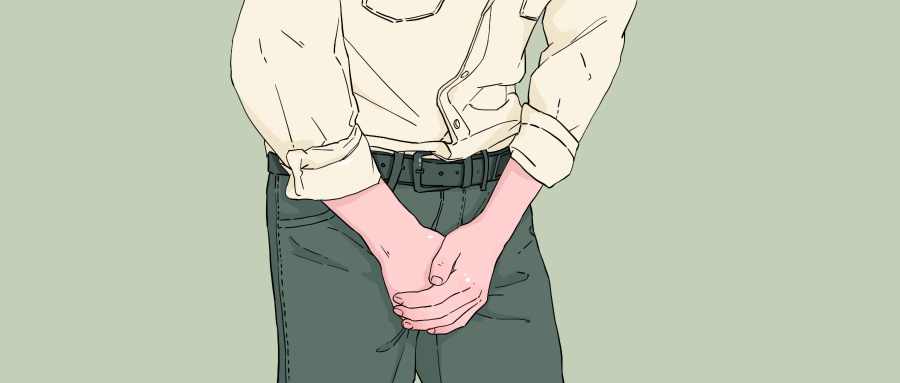
What Causes Lower Abdominal Pain After Urination?
1. Urinary Tract Infection (UTI)
Many individuals habitually hold urine for prolonged periods. When urine is not promptly voided, bacterial proliferation may intensify, particularly affecting organs in the left lower abdomen, leading to infection and subsequent pain.
2. Bladder Stones
After urination, the bladder relaxes; however, the bladder’s muscular nerves may remain tense. Bladder stones can irritate surrounding tissues and trigger pain upon relaxation.
3. Intestinal Issues
Urinary retention places the intestines under increased tension. Upon urination and subsequent muscular relaxation, symptoms of enteritis—such as cramping or discomfort—may become markedly apparent.
Which Diseases Might Be Indicated by Painful Urination?
1. Cystitis: Sharp pain during urination typically worsens toward the end of voiding and is commonly accompanied by urgency and dysuria.
2. Urethritis: Dysuria is often associated with discharge from the urethral meatus—sometimes purulent—and may be accompanied by erythema or burning at the urethral opening.
3. Prostatitis: Acute prostatitis may present with painful urination, urethral meatal pain, or urinary hesitancy and straining.
4. Urinary Tract Calculi: Bladder or urethral stones causing dysuria typically produce severe, acute pain. Prompt urinalysis and medical evaluation are essential.
In summary, lower left abdominal pain following urination may indicate pathological changes in the bladder, intestinal inflammation, or urinary tract infection/inflammation. Since urination involves coordinated function across multiple organ systems, abnormalities in urination often serve as an early warning sign of underlying systemic or localized pathology. Such symptoms warrant timely medical assessment to identify the root cause and initiate appropriate, targeted treatment.






