What causes anal distension, pain, and the sensation of needing to defecate?
Jan 12, 2022
Source: Cainiu Health
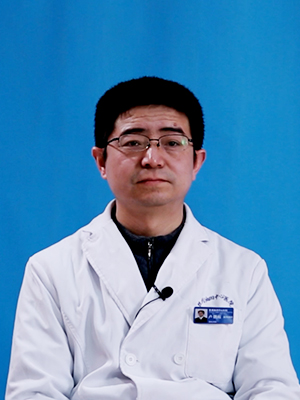
Dr. Lu Chaohui
Introduction
What causes anal distension, pain, and the urge to defecate? Clinically, numerous conditions can lead to a sensation of rectal fullness (tenesmus) and the urge to pass stool. These include gastrointestinal disorders, gynecological conditions in women, and prostatic diseases in men. Additionally, some patients with functional anorectal disorders (e.g., anorectal neurosis) may also experience anal discomfort and a persistent urge to defecate.
The sensation of anal fullness, discomfort, or pain accompanied by a persistent urge to defecate is quite common. Some individuals frequently experience anal distension and discomfort along with an ongoing urge to pass stool. Such symptoms should not be overlooked, as they often stem from gastrointestinal disorders, gynecological conditions, or—less commonly—prostatic diseases. Below, we explore the possible causes of anal fullness/pain with a constant urge to defecate.
What Causes Anal Fullness/Pain Accompanied by an Urge to Defecate?
Clinically, numerous conditions can cause a sensation of anal heaviness (tenesmus) and an urgent need to defecate. These include intestinal disorders, gynecological conditions in women, and prostatic diseases in men. Additionally, patients with functional anorectal disorders—such as anorectal neurosis—may also experience anal fullness or pain coupled with a false urge to defecate.
Common underlying conditions include inflammatory bowel disease, anal sinusitis, rectocele, chronic pelvic inflammatory disease, and prostatitis—all of which may manifest with these symptoms. When experiencing persistent anal fullness or pain with an urge to defecate, patients are advised to seek timely medical evaluation to identify the precise etiology and initiate appropriate, targeted treatment—thereby avoiding potential disease progression or complications.

How Should One Manage Anal Fullness/Pain with an Urge to Defecate?
When recurrent urges to defecate originate from the perianal region, the first step is to determine whether they result from inflammatory irritation of the bowel or from structural (organic) bowel pathology.
If the symptoms are due solely to inflammatory bowel irritation, anti-inflammatory suppositories may be prescribed for local treatment. In some cases, adjunctive therapy with traditional Chinese medicine (TCM) retention enemas may further enhance therapeutic efficacy.
If the symptoms arise from organic bowel pathology—such as laxity of the rectal mucosa or large internal hemorrhoids—diagnostic evaluation (e.g., colonoscopy, anorectal manometry, or pelvic floor imaging) should be performed. Subsequently, localized surgical intervention (e.g., hemorrhoidectomy or rectopexy) may be indicated to relieve pressure-induced pain or a sensation of rectal fullness/bloating.
The above outlines the potential causes and management strategies for anal fullness/pain accompanied by an urge to defecate. We hope this information proves helpful.