


Can gastroenteritis cause black stools?
Jan 19, 2022
Source: Cainiu Health

Dr. Zhao Haiming
Introduction
Can gastroenteritis cause black stools? Black stools (melena) typically indicate upper gastrointestinal bleeding. However, many patients with gastrointestinal inflammation may experience mucosal hyperemia due to the inflammatory process, which can lead to occult (hidden) bleeding—commonly detected via fecal occult blood testing. While such occult bleeding may be present, the stool color usually remains normal.
Gastroenteritis is a relatively common condition, with primary symptoms including abdominal pain and diarrhea. Some patients may also experience nausea, vomiting, and fever. As individual constitutions and disease onset times vary, the severity and presentation of symptoms differ among patients. So, can gastroenteritis cause black stools? Let’s explore this further.
Can gastroenteritis cause black stools?
Black stools (melena) typically indicate upper gastrointestinal bleeding. However, during gastrointestinal inflammation, mucosal hyperemia may occur as part of the inflammatory process, potentially leading to occult (hidden) bleeding—commonly detected via fecal occult blood testing.
Although stool color usually remains normal in such cases, the fecal occult blood test may yield a positive result. In contrast, severe complications—such as intestinal necrosis or ischemic bowel disease—can indeed cause overt melena. Melena most commonly arises from upper gastrointestinal bleeding or other serious gastrointestinal malignancies. Therefore, accurate differentiation is essential, and prompt medical evaluation is strongly advised.
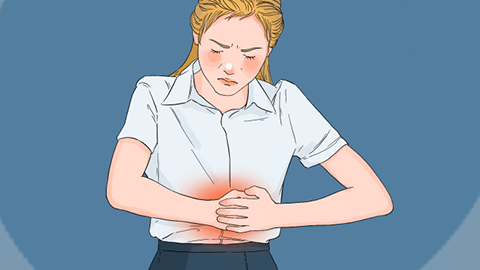
What are the symptoms of acute gastroenteritis?
1. Nausea and vomiting
Patients with acute gastroenteritis may experience pronounced nausea and vomiting. In some cases, vomitus may contain streaks of blood or appear coffee-ground in color. Severe cases may lead to dehydration, metabolic acidosis, or even shock. Thus, maintaining good personal hygiene to prevent infection is crucial.
2. Abdominal pain
Abdominal pain is often the earliest symptom of acute gastroenteritis. It typically localizes to the epigastric region or periumbilical area, ranging from mild dull discomfort to severe, intolerable pain. Pain is frequently paroxysmal, and patients often report audible borborygmi (abdominal rumbling). Additional systemic symptoms—including fever, headache, chills, and myalgia—may also occur.
3. Diarrhea
Diarrhea is one of the most common manifestations of acute gastroenteritis, often involving more than three bowel movements per day—and sometimes exceeding ten. Severity varies among individuals. Due to excessive fluid loss, diarrhea may precipitate dehydration, manifesting as thirst, decreased urine output, and other related signs.
The above provides an overview of whether gastroenteritis can cause black stools. We hope this information is helpful to you.






