


How long does it take for a child’s bone crack to heal completely?
Jan 22, 2022
Source: Cainiu Health

Dr. Lin Yunfei
Introduction
A bone crack, also known as a hairline fracture, is a type of fracture. In children, bone cracks typically heal within 3–4 weeks and full recovery is usually achieved within 6–8 weeks. Children possess stronger bone healing and remodeling capacities than adults, resulting in shorter recovery times. However, it is incorrect to assume that bone cracks require no specific treatment and can simply be left to heal spontaneously.
Fractures are commonly encountered in daily life, and many people have even experienced them personally. So, how long does it take for a child with a hairline fracture to fully recover? Below, we address this question.
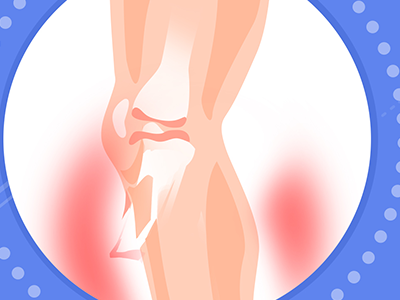
How Long Does It Take for a Child with a Hairline Fracture to Recover?
A hairline fracture—also known as a “stress fracture” or “fissure fracture”—is a type of bone fracture. In children, such fractures typically heal within 3–4 weeks and full functional recovery is usually achieved within 6–8 weeks. Children possess stronger bone healing and remodeling capacities than adults, resulting in shorter recovery times.
It is important not to assume that a hairline fracture requires no special treatment simply because it is less severe than a complete fracture. Waiting for spontaneous healing without intervention is inappropriate. Generally, medications are not required for hairline fractures. However, most hairline fractures in the limbs require immobilization using plaster casts or splints. Only with proper and effective immobilization can optimal and timely healing be ensured. Premature removal of immobilization or early initiation of functional activities may cause re-displacement of the fractured bone ends, leading to malunion.
Children with hairline fractures should minimize physical activity and increase intake of nutrient-rich foods—especially those high in vitamins and protein, such as tomatoes, apples, milk, and eggs. Regular follow-up visits are essential, and medications should be taken strictly as prescribed. Adequate rest is crucial; overexertion and excessive exercise must be avoided. Daily sun exposure is recommended to promote calcium absorption.
Knowledge Extension: Key Considerations After a Hairline Fracture
1. Active treatment during the hairline fracture period is essential. Such injuries may significantly impact the child’s daily activities and quality of life. To prevent worsening of the condition and support optimal recovery, walking should be minimized until the fracture has fully healed. Walking during the acute phase offers no therapeutic benefit and may hinder recovery.
2. Prompt medical attention is critical upon diagnosis of a hairline fracture. Preventive measures should also be adopted in daily life to reduce fracture risk—for example, exercising caution and maintaining safety during outdoor activities. If symptoms are mild, limited ambulation may be permissible; however, if severe pain occurs while walking, activity should be stopped immediately. When walking, maintain a slow, gentle pace—opting for leisurely strolls rather than brisk or prolonged walking.
3. Walking may place additional stress on the affected bone, potentially exacerbating the injury. Therefore, appropriate preventive strategies—including the use of crutches—are highly recommended. Crutches help offload weight from the injured limb, reduce overall physical strain, and prevent further displacement or worsening of the fracture.
The above outlines the typical recovery timeline for children with hairline fractures. We hope this information proves helpful to you.


