


Is it normal to experience an increased heart rate during early pregnancy?
Jan 25, 2022
Source: Cainiu Health

Dr. Li Xiaoling
Introduction
An increased heart rate during early pregnancy is generally normal due to hormonal changes. Dizziness, fatigue, palpitations, and shortness of breath may occur in early pregnancy but typically improve with adequate rest—so there’s usually no need for excessive concern. However, if the heart rate increase is particularly pronounced during early pregnancy, or if chest tightness and shortness of breath become severe, prompt medical evaluation at a hospital is recommended.
During pregnancy, mothers undergo various prenatal examinations to screen for maternal health conditions and detect any fetal abnormalities. Pregnancy-related disorders are diverse and present with complex symptoms, potentially affecting both maternal and fetal health—prompt diagnosis and treatment are therefore essential. Is palpitation or an accelerated heart rate normal during early pregnancy?
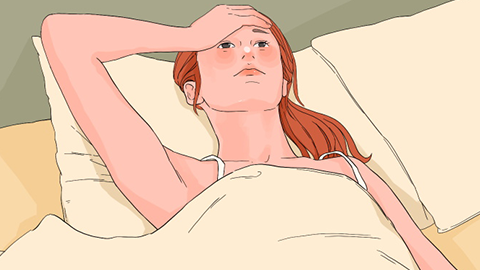
Is an accelerated heart rate normal in early pregnancy?
An accelerated heart rate in early pregnancy is generally considered normal, as hormonal fluctuations may cause dizziness, fatigue, palpitations, and shortness of breath. These symptoms typically subside with adequate rest—there is usually no need for excessive concern.
However, if the heart rate acceleration is particularly pronounced during early pregnancy, accompanied by severe chest tightness and marked shortness of breath, it is advisable to seek prompt medical evaluation—including electrocardiography (ECG) and echocardiography—to rule out underlying cardiac disease.
Take folic acid supplements as prescribed, ensure sufficient rest, abstain from sexual intercourse, maintain regular bowel movements, and drink plenty of warm water. If palpitations become prominent or if severe nausea and vomiting occur, consult a healthcare provider immediately for further evaluation.
Should palpitations or shortness of breath arise, remain calm—symptoms often resolve spontaneously after brief rest. Lying on your side (rather than supine) may also help alleviate symptoms; avoid lying flat on your back to prevent supine hypotensive syndrome.
If a woman had no prior history of heart disease but develops palpitations and dyspnea during the final trimester—and these symptoms persist despite rest—peripartum cardiomyopathy should be considered. In peripartum cardiomyopathy, palpitations and dyspnea commonly occur at night; affected individuals may awaken due to chest tightness and sit up to breathe, or experience chest pain unrelated to physical exertion. Should any of these symptoms appear, immediate consultation with a physician is recommended.
We hope this information is helpful. Wishing you a healthy and joyful pregnancy!




