


How to Quickly Reduce Swelling and Relieve Pain in Gums During Pregnancy
Jan 26, 2022
Source: Cainiu Health
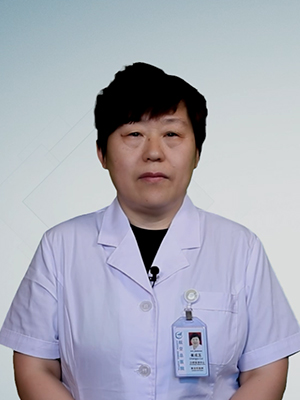
Dr. Cui Chengyu
Introduction
Improve dietary habits: Pregnant women who neglect oral hygiene and frequently consume sticky or overly sweet foods are prone to plaque and tartar accumulation along the gumline. Therefore, they should limit intake of excessively sweet or sticky foods and instead consume more fresh fruits and vegetables. It is also recommended to brush teeth and rinse the mouth promptly after meals; if necessary, seek professional dental cleaning from a healthcare provider.
Some pregnant women experience heightened oral sensitivity after conception, with their gums frequently appearing red and swollen—and in severe cases, even bleeding. These symptoms have identifiable underlying causes; therefore, the first step is to identify the root cause before determining appropriate treatment. So, how can gum swelling and pain during pregnancy be rapidly alleviated?

How to Rapidly Reduce Swelling and Relieve Pain from Pregnancy-Related Gum Inflammation
Gum swelling and pain during pregnancy may result from elevated hormonal levels, inadequate oral hygiene, or food impaction. Management options include dietary modifications and, when necessary, pharmacological interventions—details follow.
Dietary adjustments: Pregnant women who neglect oral hygiene and regularly consume sticky or overly sweet foods are more prone to accumulation of dental plaque and calculus along the gumline. To mitigate this, limit intake of sugary and sticky foods. Instead, increase consumption of fresh fruits and vegetables. Brush teeth and rinse mouth thoroughly after meals. If needed, seek professional dental cleaning.
Pharmacological treatment: Frequent food impaction can trigger acute inflammation of the interdental papilla (gum tissue between teeth). Under medical supervision, short-term oral anti-inflammatory medications may be prescribed, or local irrigation and topical medication applied to reduce swelling and relieve pain. Alternatively, Kangfuxin Liquid (a traditional Chinese medicine preparation) may be directly sprayed onto inflamed gingival tissues for symptomatic relief.
When indicated, definitive treatment targeting the underlying cause may be considered during weeks 16–24 of gestation—the period when both maternal and fetal conditions are relatively stable.
Systemic drug therapy is generally discouraged during pregnancy to avoid potential adverse effects on fetal development. Instead, localized dental procedures—including scaling and root planing, as well as irrigation—are recommended. Mild antiseptic mouth rinses that pose minimal risk to fetal development—such as 1% hydrogen peroxide solution—may be used, though prolonged use should be avoided. Daily use of antibacterial toothpaste and consistent twice-daily brushing are also advised. For significant calculus buildup, professional dental cleaning is best deferred until after delivery.
Maintaining optimal oral hygiene and controlling dental plaque remain essential throughout pregnancy.
We hope the above information proves helpful. Wishing you a healthy and joyful pregnancy!





