


Why does my one-year-old baby constantly toss and turn at night?
Feb 09, 2022
Source: Cainiu Health

Dr. Ma Yan
Introduction
Because infants grow rapidly, insufficient intake of essential nutrients—particularly calcium—can lead to calcium deficiency. When an infant is calcium-deficient, the resulting decrease in serum calcium ion concentration increases the excitability of nerves and muscles. This may manifest as restless sleep, frequent tossing and turning, and easy startling. In severe cases, it can also cause occipital alopecia (bald patch on the back of the head) and rickets.
Frequent tossing and turning during sleep in toddlers over one year old is often linked to physical discomfort. For instance, calcium deficiency may cause excessive excitation of the brain and autonomic nervous system, leading to restless sleep, night awakenings, or sweating. Additionally, some toddlers may feel uneasy when adjusting to a new environment, resulting in disrupted sleep.
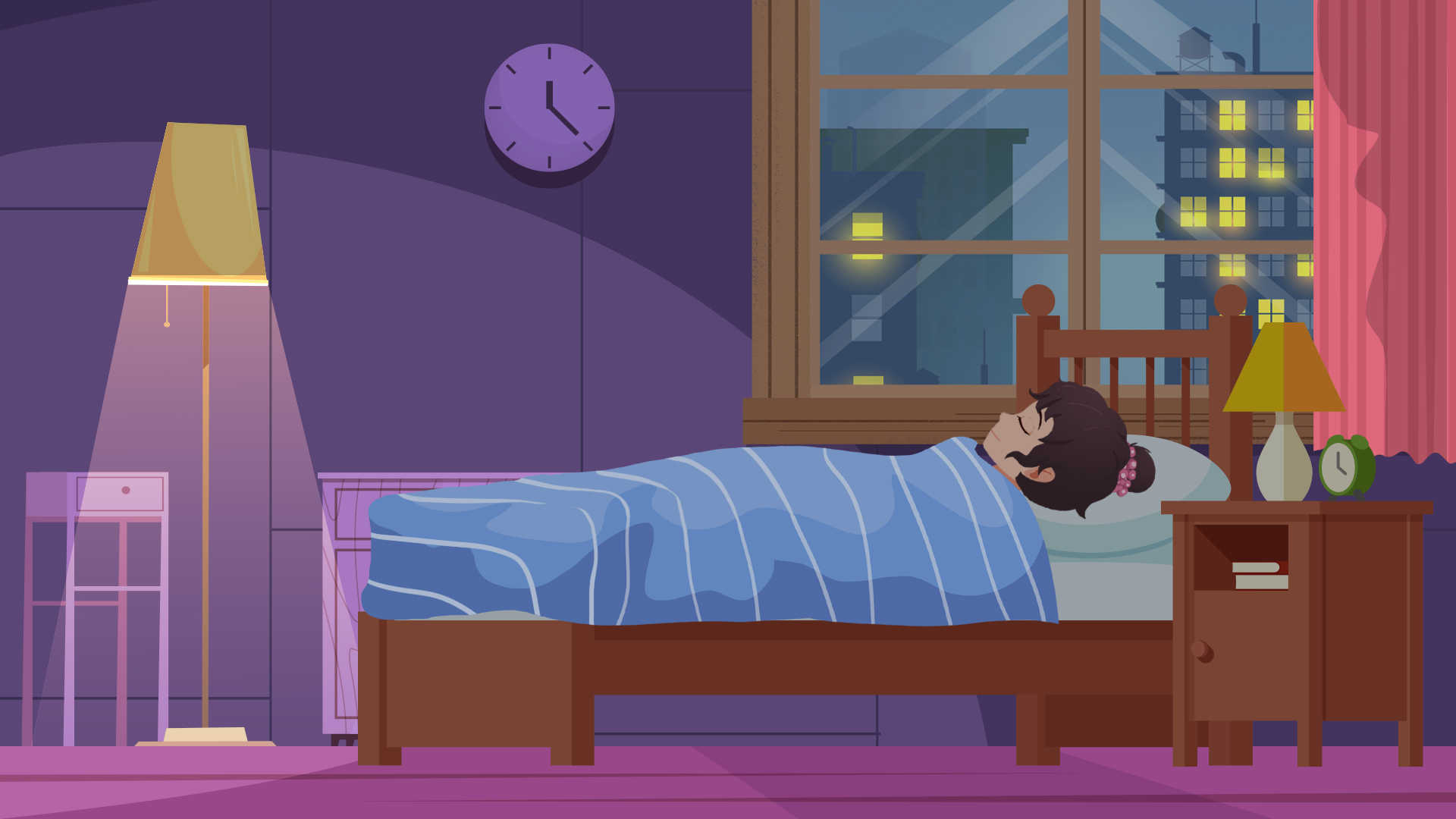
Why does a one-year-old toddler frequently toss and turn at night?
Frequent nighttime tossing and turning in a one-year-old may stem from calcium deficiency or indigestion.
Calcium deficiency: Due to rapid growth, toddlers require substantial nutrients—including calcium—and insufficient dietary intake may lead to deficiency. Low calcium levels increase neuronal and muscular excitability, causing symptoms such as restless sleep, frequent tossing and turning, and easy startles. Severe cases may result in枕秃 (occipital alopecia) or rickets. Under medical guidance, calcium supplementation—such as calcium gluconate oral solution or calcium carbonate D3 granules—may be prescribed.
Indigestion: Toddlers’ immature gastrointestinal function makes them prone to indigestion, especially if they eat too quickly or consume excessive amounts. Common symptoms include upper abdominal pain, bloating, early satiety, nausea, vomiting, belching, and acid reflux. Discomfort from these symptoms may cause restlessness and tossing and turning during sleep. Under medical supervision, treatments such as domperidone suspension or Jianwei Xiaoshi tablets (a traditional Chinese medicine for promoting digestion) may be used.
If parents observe frequent tossing and turning during sleep, food retention (accumulation of undigested food) should also be considered. This commonly occurs when toddlers eat excessively close to bedtime, leading to indigestion and abdominal distension, which causes discomfort and poor sleep. Alternatively, hunger may also contribute—parents should carefully assess their child’s recent feeding patterns to determine the underlying cause.
We hope the above information is helpful. Wishing you a happy and healthy life!





