


Can menstruation affect urine tests?
Feb 11, 2022
Source: Cainiu Health

Dr. Xiang Jinhong
Introduction
Menstruation can affect urine test results, as menstrual blood may inadvertently contaminate the urine specimen by dripping into the urine collection cup. This contamination often leads to a false-positive result for red blood cells in the urine test. Therefore, unless absolutely necessary, urine tests should be avoided during menstruation. In daily life, ensure adequate rest, maintain warmth, avoid staying up late, and prevent emotional stress or excessive internal heat (“shanghuo”).
Most people know that urinalysis is a mandatory component of routine physical examinations. However, some women may happen to be menstruating during their scheduled check-up. To ensure test accuracy, certain women choose to postpone their examination. So, does menstruation affect urinalysis results?
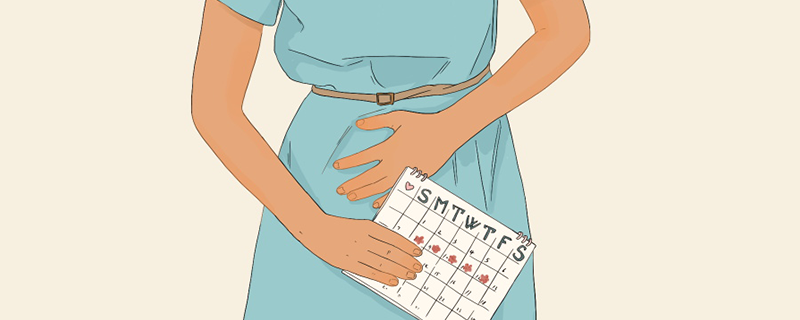
Does menstruation affect urinalysis?
Yes, menstruation can affect urinalysis. Menstrual blood may inadvertently contaminate the urine specimen by dripping into the collection cup, leading to a false-positive result for red blood cells. Therefore, unless absolutely necessary, urinalysis should ideally be avoided during menstruation.
In daily life, prioritize adequate rest and warmth; avoid staying up late, emotional stress, or excessive internal heat (“fire” in Traditional Chinese Medicine terminology); drink plenty of warm water; and consume easily digestible foods. Avoid greasy, spicy, or irritating foods. Schedule regular physical examinations. If you experience severe abdominal pain or heavy vaginal bleeding during menstruation, seek timely medical evaluation. Actively treat any existing vaginitis, as severe cases may lead to retrograde infection causing endometritis and potentially secondary infertility. Undergo regular cervical cancer screening for precancerous lesions. If your general health is suboptimal, consider consulting a qualified practitioner for herbal medicine-based body regulation. Maintain sufficient rest, stay warm, avoid cold exposure, manage stress, and refrain from staying up late.
Additionally, avoid using any cleansing products on the external genitalia. Some women, especially in summer, use shower gel or hot water to wash the vulva for disinfection—this practice is actually inappropriate. During menstruation, the body’s immunity and resistance are relatively lowered, increasing susceptibility to infection and potentially causing vulvar itching.
Lastly, women should strictly avoid alcohol consumption during menstruation, as alcohol-metabolizing enzyme secretion decreases, resulting in heightened intoxication risk and significantly increased strain on liver function.
We hope the above information is helpful to you. Wishing you good health and happiness!




