


What Should You Do for a Knee Ligament Sprain?
Feb 14, 2022
Source: Cainiu Health

Dr. Lin Yunfei
Introduction
Knee ligament sprains are treated through methods such as cold and heat therapy, medication, immobilization with a cast or brace, and surgery. Knee ligament sprains are generally classified into three grades: mild (Grade I) sprain, partial (Grade II) tear, and complete (Grade III) tear. The treatment approach varies depending on the severity of the injury.
The knee ligaments can be categorized into the medial collateral ligament (MCL), lateral collateral ligament (LCL), anterior cruciate ligament (ACL), and posterior cruciate ligament (PCL), all of which play a crucial role in maintaining knee joint stability. So, what should one do if a knee ligament is strained? The following addresses this question.
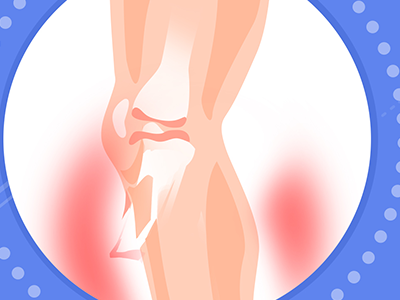
What to Do for a Knee Ligament Strain
Treatment for a knee ligament strain typically involves cold and heat therapy, medication, immobilization with a cast or brace, and, in severe cases, surgical intervention. Knee ligament strains are generally classified into three grades: mild strain, partial tear, and complete tear—each requiring different treatment approaches depending on injury severity.
1. Mild ligament strain: Patients may apply an ice pack locally to induce vasoconstriction of capillaries and reduce subcutaneous bleeding. After 24 hours, heat therapy can be initiated to improve local blood circulation, thereby helping to alleviate swelling and pain. Additionally, under medical guidance, patients may take traditional Chinese medicines for traumatic injuries—such as Sanqi Injury Medicine Tablets or Huoxue Zhitong Capsules—to promote blood circulation and relieve pain.
2. Partial ligament tear: Immobilization using a plaster cast or brace is typically required.
3. Complete ligament tear: Surgical repair (e.g., direct suture) is usually indicated. For patients with severe injuries, postoperative immobilization with a cast or brace is recommended for 4–6 weeks.
Following injury, strenuous physical activity must be avoided. Patients should also refrain from consuming spicy or irritating foods—such as chili peppers, ginger, and garlic.
The above outlines management strategies for knee ligament strains. We hope this information proves helpful to you.






