


What medication should be used for itching on both sides of the vulva?
Feb 14, 2022
Source: Cainiu Health

Dr. Cao Ting
Introduction
Vulvitis: Vulvitis refers to inflammation of the vulva caused by pathogen invasion or various adverse stimuli. It may occur as an isolated condition, but more commonly coexists with vaginitis, urinary tract disorders, anorectal diseases, or systemic diseases—or it may represent one manifestation in the course of certain vulvar disorders.
Many women develop vulvitis due to infection or inadequate hygiene, resulting in symptoms such as vulvar pruritus (itching), erythema (redness), and swelling—discomfort that can significantly interfere with daily life. Once vulvar symptoms appear, pharmacological treatment is recommended. Topical ointments listed below effectively exert antimicrobial and antipruritic effects, thereby promoting recovery of vulvar health.
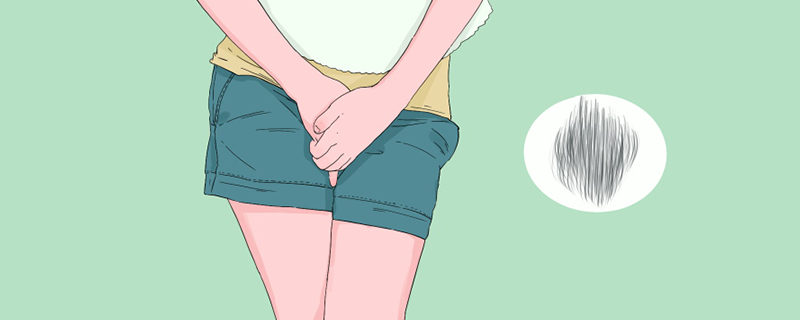
What medications are used for itching on both sides of the vulva?
Itching on both sides of the vulva may be treated with topical agents including dampness-resolving and antipruritic ointment, nitrofurantoin–nystatin vaginal ointment, Bactroban (mupirocin) ointment, or erythromycin ointment—typically prescribed for vulvitis or vaginitis.
1. Vulvitis: Vulvitis refers to inflammation of the vulva caused by pathogen invasion or exposure to various irritants. It may occur independently but more commonly coexists with vaginitis, urinary tract disorders, anorectal diseases, or systemic conditions—or may represent one manifestation during the progression of other vulvar disorders. Clinically, patients present with vulvar pruritus, pain, burning sensation, edema, erythematous rash, erosion, or ulceration. Acute-phase management often includes topical dampness-resolving and antipruritic ointment or erythromycin ointment for symptomatic relief.
2. Vaginitis: Vaginitis encompasses a group of disorders characterized by vulvovaginal symptoms—including pruritus, burning pain, irritation, and abnormal vaginal discharge. In healthy women, the vagina possesses natural defense mechanisms against pathogen invasion, attributable to its anatomical and histological features: the vaginal introitus remains relatively closed; the anterior and posterior vaginal walls lie in close apposition; estrogen-stimulated proliferation and keratinization of superficial vaginal epithelial cells enhance barrier function; and maintenance of an acidic vaginal pH inhibits growth of alkaliphilic pathogens. Meanwhile, cervical mucus remains alkaline. When these natural defenses are compromised, pathogens gain easier access, leading to vaginitis. Clinically, nitrofurantoin–nystatin vaginal ointment or Bactroban (mupirocin) ointment may be selected.
In addition to pharmacotherapy, patients must maintain strict vulvar hygiene and avoid scratching with bare hands, which may introduce secondary infection. If symptoms worsen, sexual intercourse should be temporarily avoided, and attention should be paid to regular changing and proper laundering of undergarments.
We hope the above information is helpful. Wishing you good health and happiness!






