


Can I still take expired cefalexin?
Mar 01, 2022
Source: Cainiu Health

Dr. Shi Jizhou
Introduction
Can expired cephalexin still be taken? No, expired cephalexin must not be taken. The expiration date of a drug refers to the period during which the drug is approved for use—i.e., the length of time the drug can maintain its quality under specified storage conditions. The expiration date is a critical indicator of a drug’s safety and efficacy; using expired medications poses serious risks to both the integrity of the pharmaceutical market and the public’s health and life safety.
Cephalosporins are commonly used medications in daily life, and there are many important considerations when taking them. Many people lack clarity on this topic and often fall into misconceptions—potentially jeopardizing their health. So, can expired cephalosporins still be taken? Let’s explore this together.
Can expired cephalosporins still be taken?
No, expired cephalosporins must not be taken. The “expiration date” of a medication refers to the approved period during which the drug is guaranteed to remain effective and safe under specified storage conditions. This date is a critical indicator of both safety and efficacy. Using expired medications poses serious risks—not only to the integrity of the pharmaceutical market but also to public health and life safety.
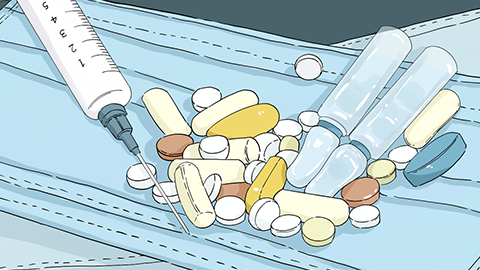
Taking expired cephalosporin antibiotics may, at best, delay appropriate treatment and cause additional health complications—and, at worst, endanger life. Typical adverse reactions associated with expired cephalosporins include rash, pruritus, maculopapular eruptions, urticaria, anaphylactic shock, reversible neutropenia, eosinophilia, thrombocytopenia, hypoprothrombinemia, and prolonged prothrombin time. These adverse effects may be significantly amplified if the medication has expired. Therefore, expired cephalosporins must never be consumed.
Important precautions when taking cephalosporin antibiotics
1. Patients with known allergies must take cephalosporins only under the guidance of a physician. Individuals with a history of severe penicillin allergy should avoid cephalosporins entirely. However, if the penicillin allergy is mild and cephalosporin therapy is clinically essential, cautious use may be considered. In such cases, close monitoring for allergic reactions is mandatory during the first dose; if any reaction occurs, administration must be stopped immediately and appropriate medical intervention initiated.
2. Dosage must be adjusted according to individual physiological conditions. Most cephalosporins are excreted via the kidneys; therefore, patients with moderate-to-severe renal impairment require dosage adjustment based on the degree of renal dysfunction. Similarly, patients with moderate-to-severe hepatic impairment should receive adjusted doses of certain cephalosporins (e.g., cefoperazone, ceftriaxone). Additionally, concurrent use of other medications while taking cephalosporins is strictly prohibited. In principle, antimicrobial agents must never be mixed or co-administered arbitrarily with other drugs.
We hope the above information is helpful to you.


