


Can kidney failure cause heart failure?
Mar 14, 2022
Source: Cainiu Health

Dr. Zhao Xinju
Introduction
Renal failure does not directly cause heart failure. Renal failure primarily results from a decline in the kidneys’ filtration rate, leading to inadequate removal of excess fluid and metabolic waste products from the body. Consequently, these substances accumulate within the body, compromising health and potentially causing various complications. We hope the above information is helpful to you. Wishing you good health and a happy life!
Renal failure refers to the deterioration or loss of kidney function. Clinically, many patients develop renal failure following heart failure. This sequence is often attributable to underlying conditions such as hypertension, anemia, bacterial endocarditis, electrolyte imbalances, and acidosis.
Can renal failure cause heart failure?
Renal failure itself does not directly cause heart failure. Renal failure primarily results from a decline in the glomerular filtration rate (GFR), leading to impaired clearance of excess fluid and metabolic waste products from the body. Consequently, these substances accumulate systemically, compromising overall health and contributing to various complications.
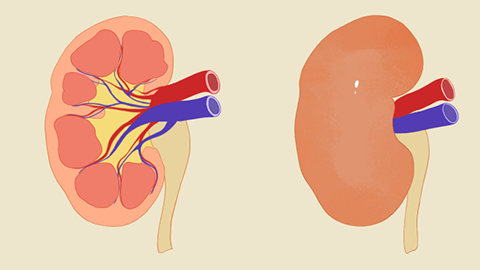
Regardless of the severity of renal failure, it does not inherently lead to cardiac failure. Heart failure arises from diminished myocardial contractility and/or increased cardiac workload due to diverse etiologies. In contrast, isolated renal failure does not alter myocardial contractility nor significantly increase cardiac workload; therefore, renal failure alone does not trigger heart failure.
Once both heart failure and renal failure have developed, meticulous supportive care is essential. Recovery at this stage is challenging. To optimize outcomes, early intervention during the initial phase is critical. Moreover, when heart failure and renal failure coexist, special emphasis should be placed on kidney-nourishing and restorative therapies. Patients are advised to consume nutrient-rich foods and take oral tonics that promote mental calmness, enhance vital energy (Qi), and nourish blood—these measures may collectively aid in improving clinical status.
We hope the above information is helpful to you.






