


How long do early symptoms of COVID-19 infection typically last?
Mar 17, 2022
Source: Cainiu Health

Dr. Jiang Weimin
Introduction
Early symptoms of COVID-19 infection typically last 5–13 days. However, the duration of early symptoms varies among individuals depending on their physical condition. Common initial symptoms include fever, dry cough, and fatigue. Some patients present with diminished or lost sense of smell or taste as their first symptom. A minority of patients may also experience nasal congestion, rhinorrhea, sore throat, conjunctivitis, myalgia, or diarrhea.
Early symptoms of COVID-19 infection primarily include cough, fever, and chest tightness. The virus is highly contagious and spreads mainly via respiratory droplets, as well as through direct contact.
How long do early symptoms of COVID-19 typically last?
During the early stage of infection, the respiratory system is most commonly affected. Typical manifestations include fever, fatigue, and cough; however, some individuals may exhibit no classic symptoms. Early symptoms generally persist for 5–13 days. Nevertheless, the duration varies significantly depending on the individual’s physical condition and immune response.

In children, clinical symptoms following SARS-CoV-2 infection tend to be milder, with high fever being the most common early presentation—typically lasting 1–6 days. In elderly patients, early clinical manifestations may be atypical; some present initially with diarrhea or shortness of breath, with diarrhea usually lasting 1–7 days. Adult patients more commonly display typical early symptoms—including fever, fatigue, and dry cough—with symptom duration typically ranging from 3–7 days.
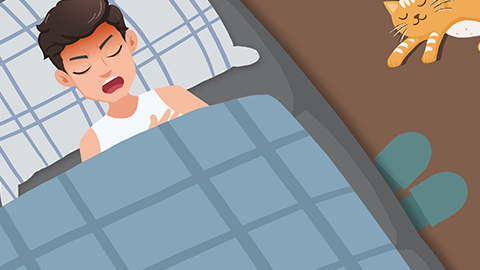
Symptoms of SARS-CoV-2 infection are nonspecific. Early manifestations most frequently involve fever, dry cough, and fatigue. Some patients experience loss or diminished sense of smell or taste as their initial symptom. A minority may also present with nasal congestion, rhinorrhea, sore throat, conjunctivitis, myalgia, or diarrhea. Notably, certain infected individuals may remain asymptomatic during the initial phase of infection, only developing clinical symptoms later. Once diagnosed with COVID-19, prompt isolation is essential, along with immediate reporting to the local Center for Disease Control and Prevention (CDC). Symptomatic treatment should be initiated concurrently with isolation measures.
The above outlines the typical duration of early COVID-19 symptoms. We hope this information proves helpful.







