


What Causes Pain in the Back of the Heel?
Mar 20, 2022
Source: Cainiu Health

Dr. Lin Yunfei
Introduction
What Causes Pain in the Back of the Heel?
1. Diabetic Foot: Diabetes can lead to various complications, one of which is diabetic foot.
2. Trauma: Local injury is a likely cause of heel pain.
3. Bone Spur: Persistent heel pain warrants evaluation for osteophyte (bone spur) formation.
4. Gout: Elevated uric acid levels may trigger gout, which can also cause pain in the back of the heel.
Many people experience frequent pain in their heels during daily life. This symptom warrants attention, as localized pain does not typically occur when the body is in good health. So, what causes heel pain? Let’s explore the possible reasons below.
What Causes Heel Pain?
1. Diabetic Foot
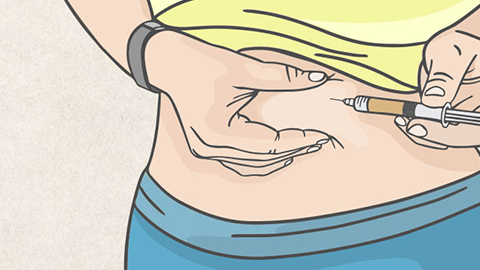
Heel pain may indicate diabetic foot, which requires medical evaluation for confirmation. Diabetes can lead to various complications, one of which is diabetic foot. Elevated blood glucose levels weaken the skin and reduce resistance in the feet, increasing susceptibility to ulcers and wounds. Friction during walking may then trigger noticeable heel pain.
2. Trauma
Heel pain is often due to localized trauma. Prolonged wear of leather shoes or high heels can cause repeated friction against the heel. Extended walking may similarly irritate local soft tissues, leading to abrasions or minor bleeding—and consequently, distinct pain.
3. Bone Spur (Calcaneal Spur)
Persistent heel pain should prompt evaluation for osteophyte formation (bone spur). In some individuals, bony outgrowths develop on the calcaneus (heel bone), irritating surrounding tissues and triggering inflammation—resulting in localized pain.
4. Gout
Elevated uric acid levels can cause urate crystal deposition in the lower limbs, leading to classic signs of gout: redness, swelling, warmth, and pain. In certain cases, this pain manifests specifically in the heel.
The above outlines common causes of heel pain. Given the variety of potential underlying conditions, an accurate diagnosis through professional medical evaluation is essential. Ignoring persistent heel pain may allow underlying pathology to progress, complicating treatment and potentially causing further systemic consequences. We hope this information proves helpful to you.






